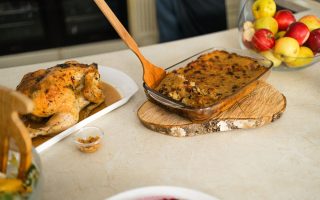
Drag a serving spoon through the golden bread crumbs and you’ll find creamy white beans, browned pork sausage, and carrots in a broth that clings to every bite. This cassoulet skillet is a dinner you can pull together with canned beans and a few slices of bread. It starts on the stove, where the sausage leaves browned bits for the sauce, and finishes in the oven, where those coarse crumbs turn crisp.
Mild Italian pork sausage gives the beans plenty of flavor, especially if the sausage has fennel in it. Leave the pieces big enough to catch on a fork, and mash just a scoop of beans to thicken the broth. If your family has strong opinions about crunchy toppings, give everyone a choice at the table. The first scoop along the edge gets extra crust, and the beans underneath stay soft.
What you’ll need
Serves 4 to 5. Allow about 15 minutes to get everything ready and 40 minutes to cook. Use a deep 12-inch oven-safe skillet [30 cm] so there’s room to stir the beans and enough surface for the crumbs to spread out. If your skillet has a handle that can’t go in the oven, you can transfer the hot filling to a shallow 3-quart baking dish [2.8 L] before adding the topping.
For the sausage and beans
- 1 pound [454 g] mild Italian pork sausage, bulk or casings removed from links
- 1 tablespoon olive oil, if needed
- 1 medium yellow onion, diced
- 1 medium carrot, diced
- 1 celery stalk, diced
- 3 garlic cloves, minced
- 1 tablespoon tomato paste
- 1/2 teaspoon dried thyme
- 2 cans cannellini beans, 15 ounces [425 g] each, drained and rinsed
- 1 1/4 cups [300 mL] low-sodium chicken broth, plus more if needed
- 1/4 teaspoon ground black pepper
- 1 teaspoon apple cider vinegar
- Fine salt, to taste
For the coarse crumb crust
- 1 1/2 cups coarse bread crumbs from about 3 slices of sturdy sandwich bread or country bread
- 2 tablespoons olive oil
- 2 tablespoons chopped flat-leaf parsley, divided
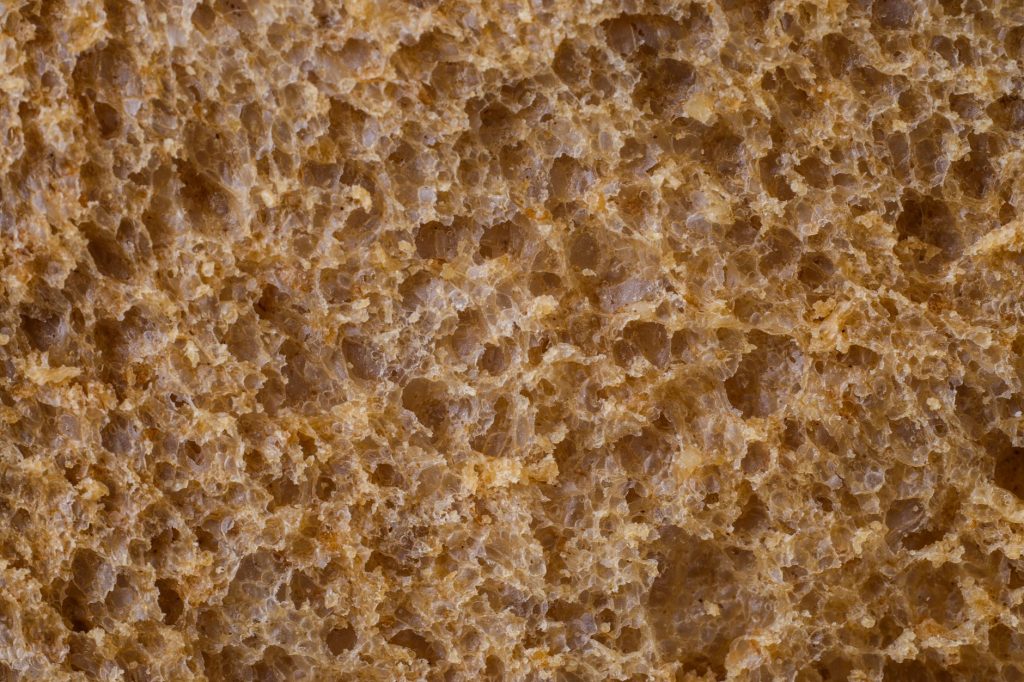
Day-old bread is easy to crumble by hand. If the bread is very soft, tear it into pieces and pulse it briefly in a food processor. Aim for an assortment of coarse crumbs and small flakes, mostly about the size of a lentil. Measure the crumbs loosely, without pressing them into the cup. You can swap in great northern beans or use about 3 cups of already cooked white beans if you have some in the fridge.
How to make the cassoulet skillet
- Get the oven and crumbs ready. Set a rack in the upper middle of the oven and heat it to 425°F [220°C]. Toss the bread crumbs with the 2 tablespoons of olive oil and 1 tablespoon of parsley. Rub any oily clumps apart with your fingertips. Set the bowl aside while you make the filling. The crumbs should look lightly coated, with a little texture when you pinch them.
- Brown the sausage. Heat the skillet over medium-high heat. Add the sausage in rough bite-size pieces and give it about 2 minutes undisturbed so the first side can brown. Turn the pieces and cook for another 4 to 6 minutes, stirring occasionally, until you see deep brown patches. If the sausage sticks early on, give it a little longer to release. Scoop it onto a plate. It will finish cooking in the beans.
- Soften the vegetables. Reduce the heat to medium and leave about 1 tablespoon of drippings in the skillet. If the skillet looks dry, add enough of the tablespoon of oil to lightly coat the bottom. Cook the onion, carrot, and celery for 6 to 8 minutes, stirring and scraping up the browned bits as the vegetables release moisture. The onion should look translucent and the carrot should be starting to soften. Stir in the garlic, tomato paste, and thyme for about 1 minute, until the paste darkens slightly and the garlic smells fragrant.
- Simmer until the broth coats the beans. Pour in the broth and scrape the bottom with a wooden spoon. Add the beans, pepper, sausage, and any juices on the plate. Bring to a gentle simmer and cook uncovered for 8 to 12 minutes, until the carrot is tender and the largest sausage pieces reach 160°F [71°C] in the center. Mash about 1/2 cup of the beans against the side of the skillet, then stir them back in. When you draw your spoon through the filling, the liquid should slowly flow back into the track. If it rushes back like soup, simmer for a few more minutes. If the beans mound up stiffly, add a splash of broth. Stir in the vinegar, then taste and add salt if needed.
- Bake until the crumbs are crisp. Take the skillet off the heat and scatter the crumbs over the filling in a loose, even layer. Bake uncovered for 8 to 12 minutes, until the crumbs are golden across the top and the beans bubble around the edges. Let the skillet rest on a trivet for 5 minutes so the filling can settle. Scatter the remaining parsley over the crust and scoop down to the bottom of the pan when you serve.
Getting dinner on the table
The skillet is hearty enough to serve by itself. If you want something fresh on the side, toss chopped romaine and sliced apples with a little cider vinegar and oil while the crumbs brown. If you serve the skillet straight from the oven, slip an oven mitt over the handle once it’s on the trivet so no one grabs it by mistake. Steamed green beans with butter also work well, especially if you’re feeding someone who likes their vegetables served separately.
To get ahead, make the filling through the simmering step, then refrigerate it in a shallow container within 2 hours. When you’re ready to bake, return the filling to the skillet and heat it to 165°F [74°C], loosening it with a splash of broth as needed. Toss the crumbs with oil and parsley just before scattering them over the hot beans.
Storing and reheating leftovers
Spoon leftovers into shallow covered containers and refrigerate within 2 hours of cooking. Use them within 3 to 4 days. The crust softens in the fridge. For a little crunch, warm portions in an oven-safe dish at 350°F [175°C], uncovered, until the center reaches 165°F [74°C]. If the topping is already deep golden, cover it loosely with foil while the beans heat, then uncover for the last few minutes.
If you’re planning to freeze some, set aside a portion of the cooked filling before you top the skillet. Freeze it in a tightly sealed container, thaw it in the refrigerator, and heat it to 165°F [74°C]. A handful of freshly toasted crumbs brings back the crunch, even when you’re only warming enough for one bowl.