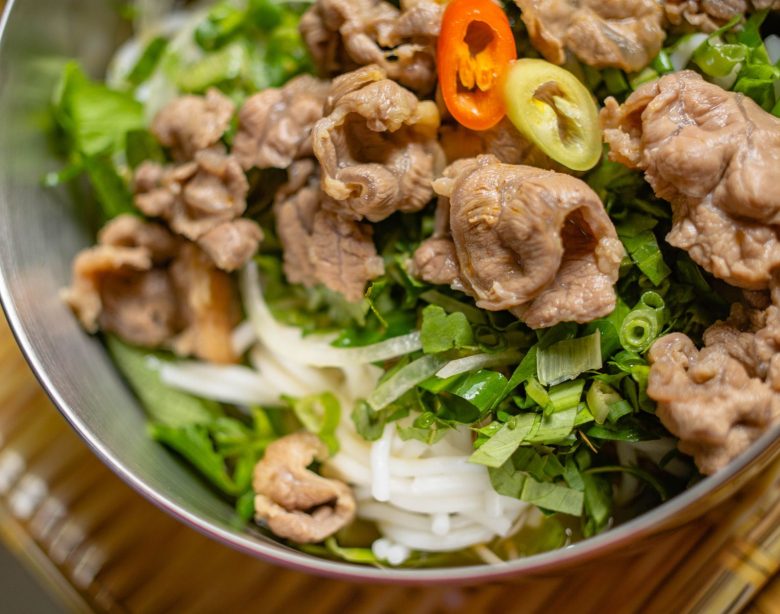
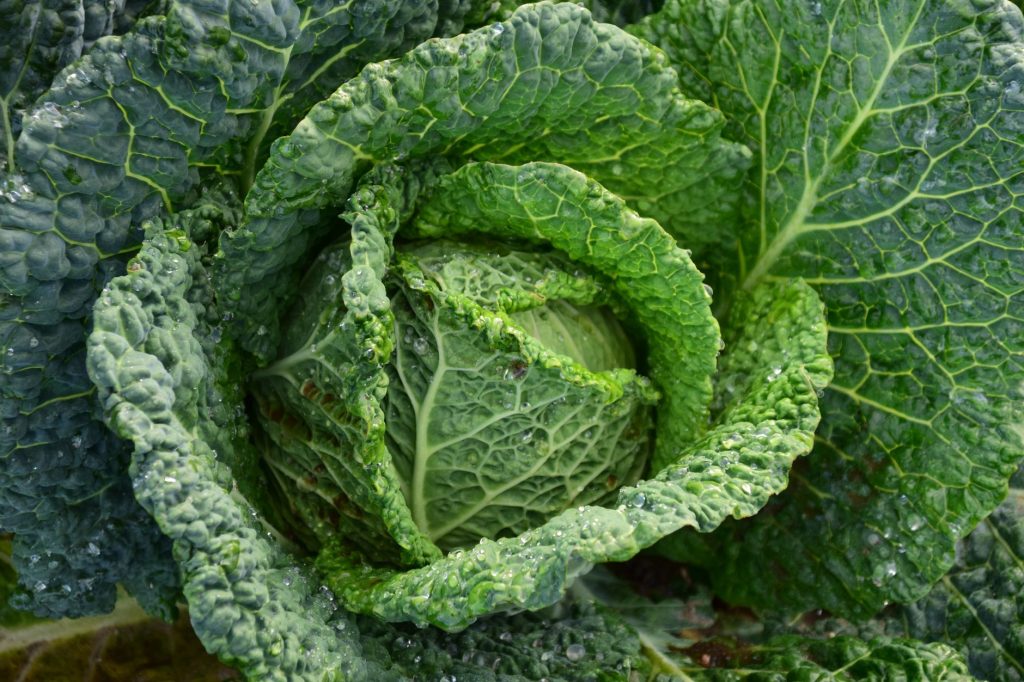
When dinner needs to stretch from one skillet to four bowls, a head of Savoy cabbage does a lot of the work. Its crinkly leaves catch a ginger and soy sauce, while the thicker ribs stay pleasantly crisp. Thin strips of beef give each bowl a savory bite, and warm rice soaks up the sauce that collects at the bottom.
The order matters. Brown the beef in small batches and move it to a plate. Scrape up the browned bits with the sauce, then wilt the cabbage right in that same skillet. The cabbage cooks down quickly, and the beef only needs a brief return to the pan. Start the rice first so it has time to finish while you slice and stir.
What you’ll need
This recipe serves four and takes about 40 minutes with white rice. A 12-inch skillet gives the beef room to brown and makes it easier to turn the cabbage. A smaller skillet works too if you sear the meat in three or four batches and add the cabbage a handful at a time. Divide the first 4 teaspoons of oil among however many batches you need and save the last 2 teaspoons for the cabbage.
For the beef and bowls
- 3 cups cooked white or brown rice, warmed, from about 1 cup [185 g] uncooked rice
- 1 pound [450 g] flank steak or boneless sirloin steak
- 1 small head Savoy cabbage, enough for about 7 loosely packed cups [450 g] once trimmed and sliced
- 2 tablespoons [30 mL] neutral oil, such as canola, divided
- 2 scallions, thinly sliced
For the ginger skillet sauce
- 1/2 cup [120 mL] water
- 3 tablespoons [45 mL] reduced-sodium soy sauce
- 1 tablespoon [15 mL] rice vinegar
- 2 teaspoons [10 mL] honey
- 1 tablespoon finely grated fresh ginger
- 2 cloves garlic, finely grated or minced
- 2 teaspoons cornstarch
How to make ginger beef and cabbage bowls
- Get the rice going. Cook the rice according to the package directions, then let it stand covered while you finish the skillet. If you’re starting with brown rice, give it a head start or use rice you’ve already cooked. Fluff it just before serving so the grains are easy to scoop.
- Slice the cabbage and beef. Peel away any damaged outer leaves, quarter the cabbage, and cut out the hard core. Slice the quarters into ribbons about 1/2 inch wide, cutting the thickest ribs a little thinner so they cook at the same pace as the leaves. Pat the steak dry and look for the lines running through the meat. Cut across those lines into strips about 1/4 inch thick. If the strips are long, halve them so they’re easy to eat with a fork.
- Whisk the sauce. Stir the water and cornstarch together in a small bowl until the starch dissolves, then whisk in the soy sauce, vinegar, honey, ginger, and garlic. Keep the bowl beside the stove. The cornstarch will settle as it sits, so give it another good stir just before pouring.
- Sear the beef in batches. Heat the skillet over medium-high heat. Add 2 teaspoons of the oil and swirl to coat. When the oil shimmers, lay in half the beef in a single layer with space between the pieces. Leave it alone until the undersides are browned and release easily, about 1 minute. Turn and cook until the second side takes on color, another 30 to 60 seconds. Transfer to a plate. Repeat with another 2 teaspoons oil and the remaining beef, letting the skillet heat back up before adding the meat.
- Wilt the cabbage in the sauce. Reduce the heat to medium and add the remaining 2 teaspoons oil. Toss in about half the cabbage and stir for 30 seconds to coat the leaves. Stir the sauce again and pour it into the skillet. Scrape up the browned bits with a wooden spoon as the liquid bubbles. Add the rest of the cabbage by handfuls, tossing as the first leaves collapse. Cook for 3 to 5 minutes, stirring often, until the leaves bend easily, the ribs still have a little bite, and the sauce looks glossy. If the sauce gets sticky before the cabbage is tender, stir in water 1 tablespoon at a time.
- Bring it together. Return the beef and any juices to the skillet and toss until the sauce coats the strips and the beef is cooked through, about 1 to 2 minutes. Divide the rice among four bowls. Spoon the beef and cabbage over it, then tilt the skillet to catch the last of the sauce. Scatter the scallions on top or pass them at the table.
What to watch for at the stove
Listen for a steady sizzle when you add the steak. If the sound fades and liquid collects around the meat, give the next batch more room and let the pan come back up to heat. Thin slices can toughen if they stay in the skillet while that liquid cooks away. Pull the strips once they have color on both sides and finish them with the cabbage.
Savoy cabbage looks like a lot when it first goes in. Use tongs to bring the coated leaves up from the bottom as you fold in the fresh ribbons. Once the cabbage is tender, drag a spoon across the pan. The sauce should leave a brief trail before flowing back. If it still looks watery, let it bubble for another minute before returning the beef.
If your steak is hard to slice evenly, put it in the freezer for 15 to 20 minutes while you wash the cabbage and mix the sauce. The meat should feel firm at the edges and still yield to the knife. With flank steak, it can help to cut the steak into two or three sections first, then rotate each section so you can slice across the grain comfortably.
Make the bowls work for your table
Regular green cabbage works with the same sauce. Slice it a little finer, especially near the core, and give it an extra minute or two if the ribs are still firm. Cooked noodles can stand in for the rice. Keep them warm and toss them in the finished skillet if you want the sauce to coat every bite.
For kids who like to see what’s in their bowl, put the rice, beef, and cabbage in separate piles and offer a small spoonful of sauce on the side. Extra scallions or a splash of rice vinegar at the table let everyone adjust their own serving.
Storing and reheating
Refrigerate leftovers within 2 hours in shallow, covered containers and use them within 3 to 4 days. Store the rice separately if you can, so it stays fluffy and you can reheat each part evenly. Warm the beef and cabbage in a covered skillet with a splash of water, stirring occasionally, until steaming hot throughout. Reheat the rice with a little water in a covered microwave-safe bowl, stirring partway through, then spoon the beef and cabbage over it.