A head of cabbage can look like plenty on the cutting board, then cook down to a few scoops. Brown lentils give those ribbons enough substance to make dinner for four. Start the lentils in a saucepan, let the cabbage catch some color in a skillet, and bring them together with a spoonful of mustard. The mustard tastes sharp straight from the jar, but stirred into the warm lentils with a little butter, it makes a mellow, tangy coating for the whole pan.
This is a good dinner for the night you have half a cabbage left from slaw or soup. The amount can be approximate. If your cabbage is a little bigger, brown it in two batches before putting everything back in the skillet. Leftover cooked brown lentils fit right in, too. If you already have them, you can get straight to chopping the vegetables.
What you’ll need
This makes 4 servings and takes about 45 minutes with dried lentils. Use a 12-inch skillet with a lid and a medium saucepan. A wide skillet gives the cabbage room to brown, and the lid helps soften the thicker pieces once they have some color.
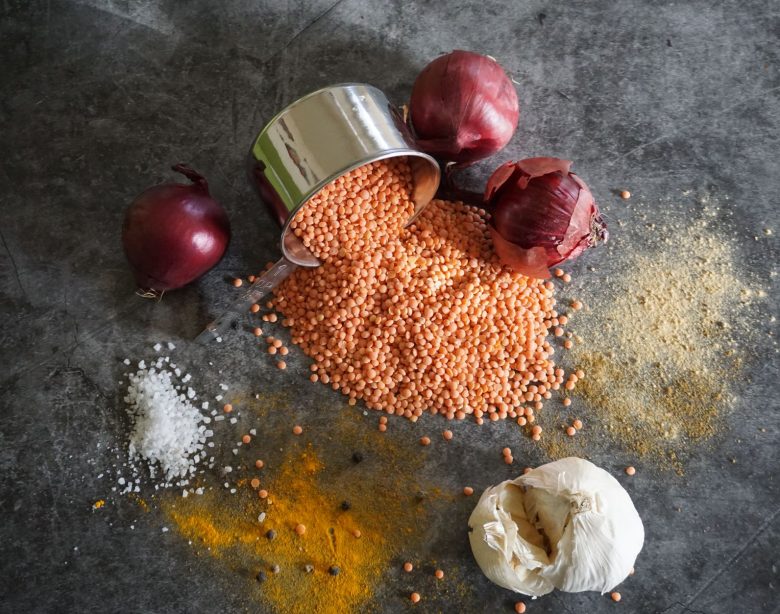
- 1 cup [about 190 g] dried brown lentils, picked over and rinsed
- 3 cups [710 mL] water, plus more as needed
- 2 tablespoons olive oil or neutral cooking oil
- 1 medium yellow onion, chopped
- 1 1/2 pounds [680 g] green cabbage, about half a large head
- 2 cloves garlic, finely chopped
- 3/4 teaspoon fine salt, divided, plus more to taste
- 1/4 teaspoon ground black pepper
- 1 tablespoon Dijon mustard
- 1 tablespoon unsalted butter
Brown lentils hold their shape well enough to fold through the cabbage while still being soft enough to eat with a fork. If yours are already cooked, measure out about 2 1/2 cups of drained lentils and start at the second step. Canned lentils work the same way. Drain and rinse them and start with less of the salt in the recipe, then taste once the skillet is finished.
How to make lentil and cabbage skillet
- Simmer the lentils. Put the rinsed lentils and 3 cups of water in the saucepan. Bring to a boil, then lower the heat to a gentle simmer and cook uncovered for 20 to 30 minutes. Start checking at 20 minutes. A lentil should give easily when you bite it, with no chalky center. If the water drops below the lentils while they’re still firm, add enough to cover them again. Scoop out 1/2 cup of the cooking liquid before draining.
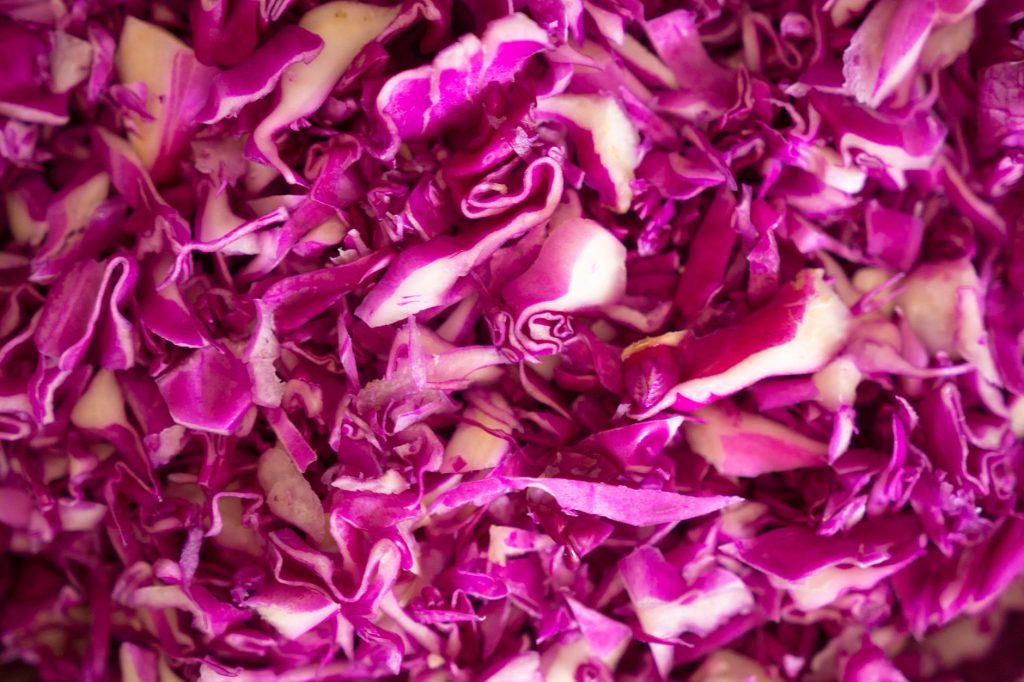
- Cut the cabbage into ribbons. While the lentils simmer, remove any wilted outer leaves and set the cabbage flat side down on the cutting board. Cut it into wedges and slice away the hard core. Cut across the wedges into strips about 1/4 inch wide. Break up any big clumps with your hands so the ribbons cook evenly. Chop the onion and garlic while you have the board out.
- Brown the vegetables. Heat the oil in the skillet over medium heat. Add the onion and cook for 4 to 5 minutes, stirring occasionally, until softened at the edges. Add the cabbage and 1/2 teaspoon of the salt. Toss to coat, then cook for 8 to 10 minutes. Let the cabbage sit for a minute or two between stirs so the pieces against the pan can pick up golden spots. It will look like a lot at first and settle as it cooks.
- Soften the cabbage and warm the lentils. Stir in the garlic and pepper and cook for about 30 seconds, until you can smell the garlic. Add 1/4 cup of the reserved lentil liquid, or plain water if you’re using cooked lentils. Scrape up the browned bits, cover, and cook for 3 to 5 minutes, until the thicker cabbage ribbons bend easily and have a little bite. Stir in the drained lentils and the remaining 1/4 teaspoon salt. Cook uncovered for 2 to 3 minutes, stirring gently, until the lentils are hot and any puddle in the pan has mostly evaporated.
- Finish with mustard. Take the skillet off the heat. Stir the mustard with a tablespoon of the reserved cooking liquid or water, then pour it into the skillet and add the butter. Fold everything together until the butter melts and the cabbage looks glossy. Taste a forkful with both cabbage and lentils before adjusting the salt. For a sharper finish, stir in another teaspoon of mustard.
Make the skillet fit your table
The cabbage should be soft enough to scoop but still have some spring. If the thick strips are chewy and the pan is dry, add a splash of water, cover, and give them another minute or two. If the cabbage is already tender and the pan looks wet, let the extra liquid cook off uncovered before adding the mustard. A little moisture helps carry the mustard through the lentils. Too much will leave the seasoning at the bottom of the pan.
Dijon gives the skillet a smooth coating. Yellow mustard also works and brings a more familiar tang. With either kind, you can scoop out a serving before the mustard goes in for anyone who prefers their cabbage and lentils plain. Add the mustard a little at a time to what’s left in the pan and taste as you go.
Serve the skillet as it is, with toast for scooping up the lentils that roll off the fork. If you have a few extra mouths to feed, spoon it over rice or split baked potatoes and pile it into the centers. A fried egg on top makes a good lunch out of a smaller portion. If there’s another wedge of raw cabbage in the fridge, shave a handful thinly and toss it with a little vinegar and salt for something crisp alongside.
Store and reheat the leftovers
Refrigerate leftovers promptly in a shallow covered container and plan to use them within three days. Reheat what you need in a skillet over medium heat with a splash of water, stirring until steaming throughout. The lentils will soak up some of the moisture in the fridge, so add a second splash if the pan is dry before they’re hot. Taste after warming and stir in a dab of mustard if you’d like the tang back up front.
For an easy second dinner, warm the leftovers with broth until they’re as loose as you like for soup. Add the broth gradually so you can stop while there are still plenty of lentils and cabbage in each spoonful. If you have a small heel of bread, tear it into pieces and toast them in a little oil while the soup heats. Scatter them over the bowls just before you sit down so they stay crisp. The mustard is already in the skillet, so taste the soup before adding anything else.