A pot of dried black-eyed peas can cover dinner tonight and give you a head start on another meal. Cook the whole bag with onion, garlic, and a little smoked paprika, then scoop out a portion of the tender peas before adding the greens. The chopped collards soften in the final simmer and pick up the flavor of the broth. Spoon the peas and greens over fluffy rice and let a little of that broth run down into each bowl.
This recipe serves 4 generously and leaves about 2 cups of plain cooked peas to put away. Start checking the peas after 30 minutes, but give yourself about an hour and a half from start to finish. The cooking time depends on how long the dried peas have been in the pantry. You can skip the soak and start straight from the bag.
What you’ll need
For the peas and greens
- 1 pound [450 g] dried black-eyed peas
- 2 tablespoons [30 mL] olive oil or neutral cooking oil
- 1 medium yellow onion, diced
- 3 garlic cloves, minced
- 1 teaspoon smoked paprika
- 1 bay leaf
- 7 cups [1.65 L] water, plus more as needed
- 1 teaspoon fine salt, plus more to taste
- 1/4 teaspoon ground black pepper
- 1 bunch collard greens, stemmed and chopped to make about 4 cups [120 g] of loosely packed leaves
- 1 tablespoon [15 mL] apple cider vinegar, plus more to taste
For the rice
- 1 1/2 cups [280 g] long-grain white rice
- 2 1/4 cups [540 mL] water, or the amount directed on the rice package
- 1/4 teaspoon fine salt
Cook the full bag, then finish what you need
- Sort and rinse the peas. Spread them on a rimmed plate and pick out any little stones or shriveled peas. Tip them into a colander, rinse under cool running water, and let them drain. A 5- to 6-quart pot gives you room to stir the greens in later.
- Build the broth. Heat the oil in the pot over medium heat. Add the onion and cook for 5 to 7 minutes, stirring occasionally, until it looks translucent and feels soft when pressed with the spoon. Stir in the garlic and paprika for about 30 seconds, just until fragrant. Add the peas, bay leaf, water, salt, and black pepper.
- Simmer until creamy inside. Bring the pot to a boil, then turn the heat down to a steady simmer and leave the lid slightly ajar. You should see small bubbles breaking the surface. Stir occasionally and add hot water a half cup at a time if the peas start poking above the broth. Start tasting at 30 minutes. If a pea is still chalky in the center, give the pot another 5 to 10 minutes and taste again. The peas are ready when they squash easily against the side of the pot and feel creamy all the way through. Most batches take about 35 to 60 minutes, and older peas can take longer.
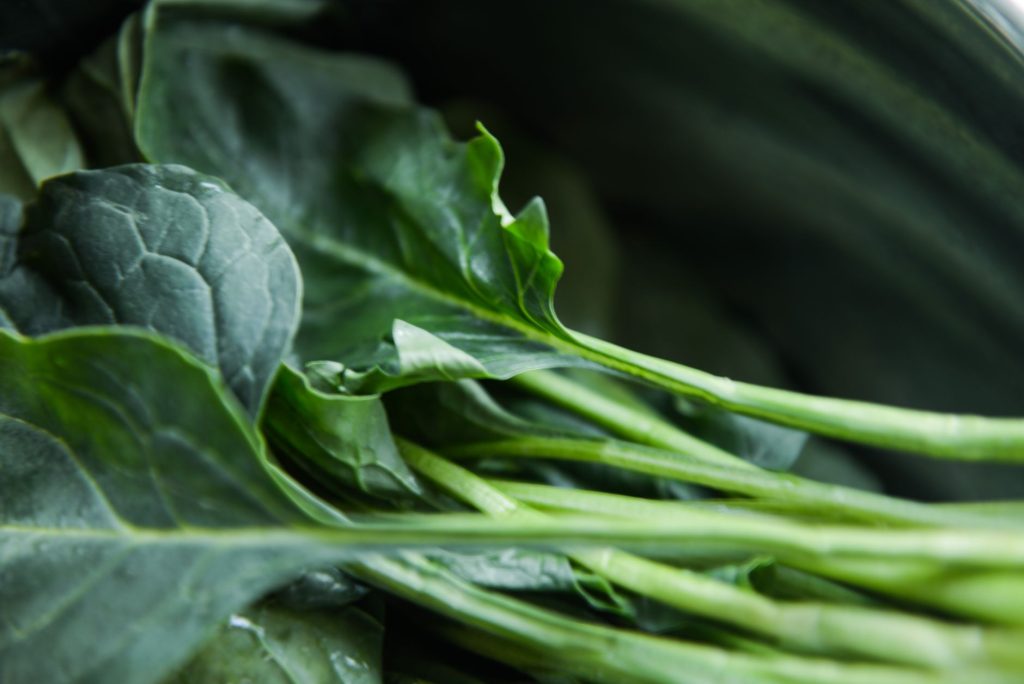
- Wash and chop the collards while the peas cook. Swish the leaves in a big bowl of cold water, then lift them out so the grit stays at the bottom. Repeat with fresh water if you see sand. Strip away the thick center ribs. Stack a few leaves, slice them into narrow ribbons, then chop across the ribbons so they fit easily on a spoon.
- Set aside the extra peas and start the rice. Pull out the bay leaf. Use a slotted spoon to transfer 2 cups of peas to shallow containers, and add a little broth to keep them moist. Leave the rest in the pot. Rinse the rice in a fine-mesh strainer and drain it well. Combine it with its water and salt in a saucepan, bring to a boil, then cover and turn the heat to low. Cook for 15 to 18 minutes, or follow the package timing, until the water is absorbed. Let the rice sit off the heat, covered, for 5 minutes before fluffing with a fork.
- Fold in the greens for the final simmer. While the rice cooks, bring the peas back to a gentle bubble. Stir the collards in a handful at a time, letting each handful wilt enough to make room for the next. Simmer with the lid ajar for about 15 to 20 minutes, until the ribbons are tender enough to bite through easily. Stir once or twice so the greens cook evenly. If the pot looks dry, add a splash of water. If the broth is thinner than you’d like, mash a spoonful of peas against the pot and stir them back in. Add the vinegar off the heat, taste, and adjust the salt before spooning the peas and greens over the rice.
Use the greens you have
Chopped kale can go straight into the tender peas and usually softens in 8 to 12 minutes. With Swiss chard, chop the stems and give them a 5-minute head start before adding the leaves for another 3 to 5 minutes. A few handfuls of spinach can go in right at the end and will wilt in a minute or two. Broccoli leaves work much like collards when sliced thinly. Taste a piece before taking the pot off the stove, especially if the leaves were thick.
Keep the rice separate at the table so everyone can scoop what they’ll eat. For a child who likes the parts of dinner separate, serve the rice beside a small spoonful of peas and greens. Put extra vinegar or hot sauce on the table for anyone who wants a sharper or spicier bowl.
Store the batch and make another meal
Refrigerate the reserved peas, the cooked greens and peas, and the rice in separate shallow, covered containers within 2 hours of cooking, or within 1 hour if the room is above 90 degrees F [32 degrees C]. Use refrigerated portions within 3 to 4 days. For longer storage, freeze the reserved peas with a little broth in meal-size portions and use them within 3 months for best texture. Thaw them in the refrigerator.
Reheat only as much as you plan to eat, to 165 degrees F [74 degrees C] throughout. A splash of water helps loosen both cold rice and the thickened pea broth. If you’re using the microwave, cover the food loosely and stir partway through so it heats evenly.
To turn the extra peas into soup, simmer them with 2 cups [480 mL] of broth and a diced carrot until the carrot is tender. Stir in any leftover greens and rice near the end and bring the soup back to a boil. Or mash the reserved peas with a fork, moisten them with their cooking liquid, and warm them for a tortilla filling with shredded cabbage. Portioning out the peas before the greens go in gives you room to take the second meal in either direction.