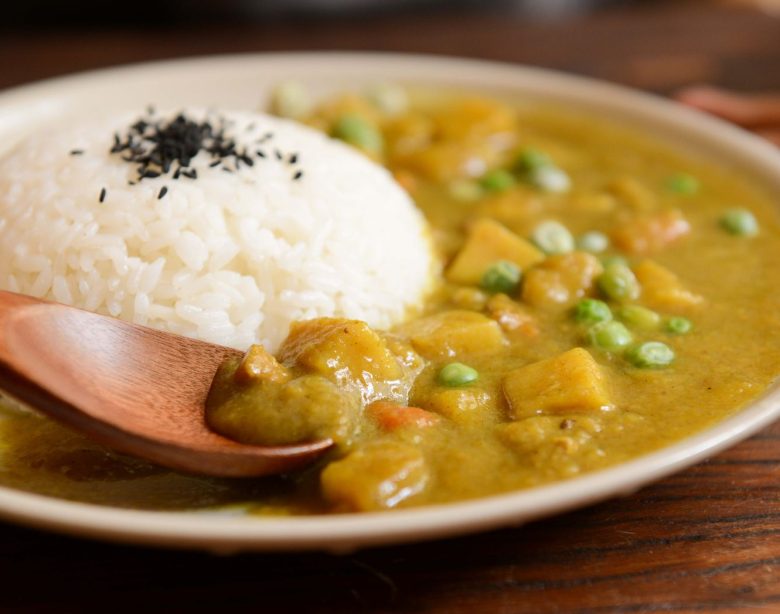
Yellow split peas and potatoes can share a pot of curry and still come out with two distinct textures. Give the dried peas a head start so they soften enough to thicken the broth, then slip in the potatoes while there’s still plenty of liquid to cook them. By the time a fork slides into the potatoes, the peas will be creamy enough to coat them. A squeeze of lemon at the table brightens the whole bowl.
This is a pantry dinner for the nights when you have an onion, a couple of potatoes, and no particular plan. The split peas make a substantial base, and a pot of rice or a few pieces of toast will stretch the curry for another helping. The stove does most of the work, but plan on checking the pot a few times. Dried peas soften on their own schedule, even when you buy them from the same store.
What you’ll need
Serves 4 to 6. Allow about 15 minutes for prep and 55 to 80 minutes on the stove. Use a heavy 4-quart pot with a lid. There’s no need to soak the split peas.
- 1 1/2 cups (300 g) dried yellow split peas
- 2 tablespoons (30 mL) neutral cooking oil, such as canola
- 1 medium yellow onion, diced
- 3 garlic cloves, minced
- 1 tablespoon grated fresh ginger
- 1 tablespoon mild curry powder
- 1 teaspoon ground cumin
- 5 cups (1.2 L) water, plus more as needed
- 1 teaspoon fine salt, plus more to taste
- 1 pound (450 g) Yukon Gold potatoes, cut into 3/4-inch (2 cm) chunks
- 1 tablespoon (15 mL) lemon juice, plus extra to taste
- Cooked rice, plain yogurt, or chopped cilantro for serving, optional
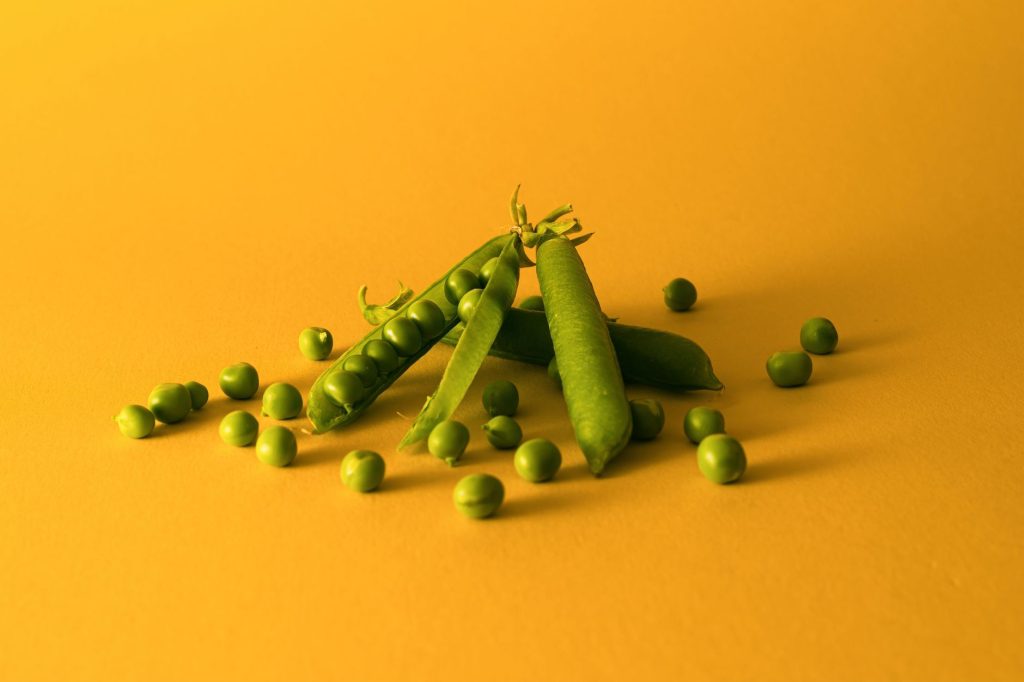
Yellow split peas are the small, flat halves of dried peas. Use them for the timing below. Whole dried peas and split chickpeas cook differently. Yukon Gold potatoes hold their shape well, and the thin skins can stay on after a good scrub. Red potatoes work the same way. If you have russets, cut the chunks a little bigger and stir gently once they go in, since the corners tend to break down as they soften.
How to make yellow split pea and potato curry
- Rinse the peas. Look through them for any small stones or debris, then rinse in a fine-mesh strainer under cool running water. Drain them while you chop the onion and measure the spices. You can cut the potatoes while the peas simmer.
- Build the base. Heat the oil over medium heat. Add the onion and cook for 6 to 8 minutes, stirring now and then, until it looks translucent and the edges start to turn golden. Stir in the garlic and ginger for about 30 seconds. Add the curry powder and cumin and stir for another 20 to 30 seconds, just until fragrant. If the spices start sticking, add a splash of the measured water.
- Give the peas a head start. Stir in the drained peas, water, and salt, scraping the bottom of the pot with a wooden spoon. Bring to a boil, then lower the heat until small bubbles rise steadily. Set the lid slightly ajar and simmer for 35 to 50 minutes, stirring occasionally. Test a few peas. Add the potatoes when the peas can be crushed against the side of the pot with the back of your spoon and have only a little firmness left in the center. If the centers are chalky or hard, give them another 5 to 10 minutes and check again.
- Add the potatoes. Stir in the chunks. If the mixture has thickened enough that the potatoes sit above the liquid, add hot water about 1/4 cup (60 mL) at a time until they’re just covered. Bring the curry back to a gentle simmer and cook with the lid ajar for 15 to 20 minutes. Stir gently every few minutes, sweeping the spoon across the bottom to keep the peas from sticking. A fork should slide through the center of a potato chunk without splitting it apart. The peas should be soft all the way through.
- Adjust the texture and season. For a thicker curry, press a spoonful or two of peas against the side of the pot and stir them back in, leaving the potatoes whole. For a looser curry, stir in a splash of hot water. When you drag a spoon through the finished curry, the trail should fill in slowly. Take the pot off the heat, stir in the lemon juice, and taste before adding more salt or lemon.
Let the pot tell you when to add the potatoes
The peas are the variable here. If they’ve been in the cupboard for a long time, they may need longer than the recipe suggests. Keep the simmer steady and top up the water if the peas start to peek out. The potato chunks only need the last stretch of cooking. If the potatoes are ready and the peas still need time, lift out the chunks with a slotted spoon, finish simmering the peas, then return the potatoes just long enough to warm through.
Keep the lemon for the end. The peas get their time to soften before the acid goes in, and you can judge how much brightness the curry needs once the sauce has thickened. If the curry looks soupy when the potatoes are ready, let it sit off the heat for five minutes. It thickens as it stands. You can always ladle a little extra sauce over rice to soak up.
Make it work for your table
Serve it over leftover rice, spoon it onto toast, or ladle it into bowls with bread for dipping. For a little color, stir in a handful of chopped spinach in the last minute or two of simmering, just until the leaves wilt. A spoonful of plain yogurt cools each serving, and anyone who wants extra heat can add a pinch of red pepper flakes to their bowl. If your curry powder is hotter than your family likes, start with 2 teaspoons. Next time, you can bring it up to the full tablespoon. For a side that adds crunch, try sliced cucumber or shredded cabbage tossed with a little lemon juice.
Store and reheat
Divide leftovers into shallow containers and refrigerate within two hours. Use refrigerated curry within three to four days. It will be thicker the next day, so loosen it with a splash of water and reheat the portion you need to 165°F (74°C), stirring gently so the center heats evenly. For lunch, spoon the warmed curry over a baked potato or serve it with a piece of buttered toast.
You can also freeze individual portions for up to three months for best quality. Leave a little room at the top of each container for expansion. Thaw overnight in the refrigerator. The potato pieces may be softer after freezing, so stir gently as you reheat, or mash a few into the peas and serve the curry as a thick soup.