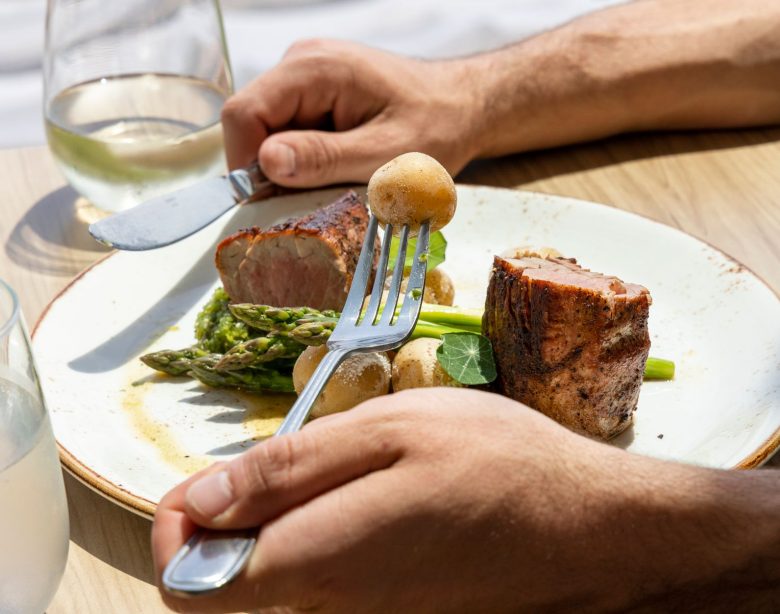
Fresh cherries and a finely chopped shallot make a juicy, sweet-tart relish for roast pork tenderloin. A spoonful of cider vinegar takes the sharp edge off the shallot, and parsley keeps the whole bowl tasting fresh. Spoon the cherries over warm slices of pork and let the juice run into whatever is alongside, whether that’s a pile of mashed potatoes or a scoop of rice.
This is a dinner for four that takes about 45 minutes. Start with the relish so it has time to sit while the pork cooks. Once the tenderloin goes into the oven, there’s time to steam green beans, warm up leftover rice, or set out bread and butter. Bring the relish to the table in its own bowl if some diners like their pork plain or want to try the cherries one bite at a time.
Ingredients
For the pork
- 1 plain pork tenderloin, about 1 1/4 pounds [570 g]
- 3/4 teaspoon fine sea salt
- 1/2 teaspoon garlic powder
- 1/4 teaspoon ground black pepper
- 1 tablespoon [15 mL] neutral oil, such as canola or avocado oil
For the fresh cherry relish
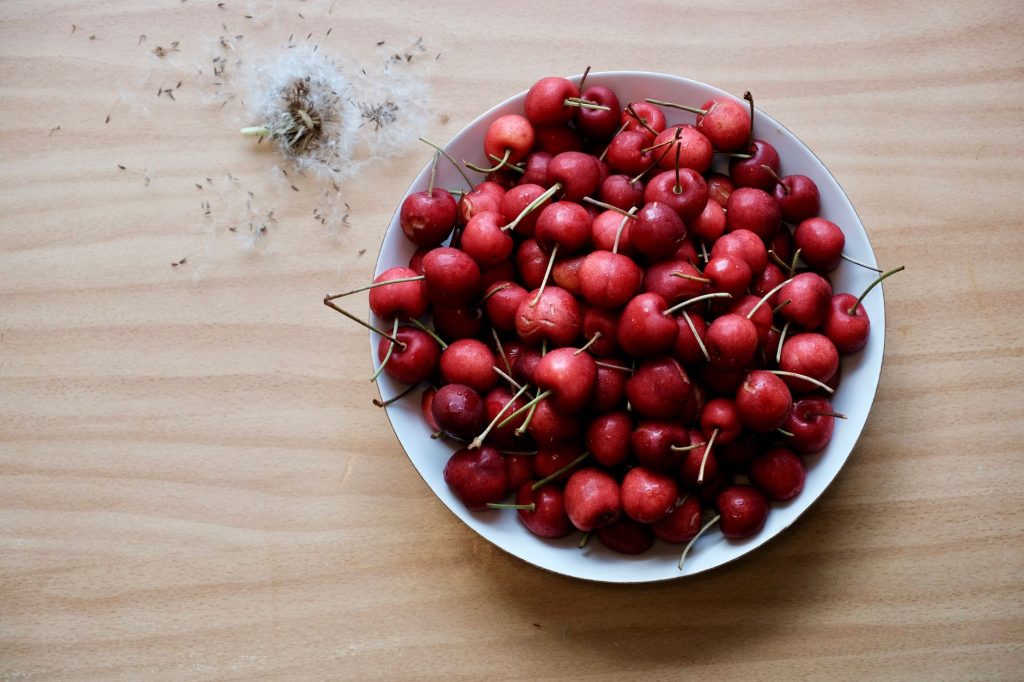
- 1 1/2 cups [230 g] pitted fresh sweet cherries, roughly chopped
- 1 small shallot, finely chopped, about 2 tablespoons
- 1 tablespoon [15 mL] apple cider vinegar, plus more to taste
- 1 tablespoon [15 mL] extra-virgin olive oil
- 2 tablespoons chopped flat-leaf parsley
- 1/8 teaspoon fine sea salt
Make the relish and roast the pork
- Heat the oven and soak the shallot. Set a rack in the middle of the oven and heat it to 425°F [220°C]. Stir the shallot, cider vinegar, and relish salt together in a medium bowl. Let them stand for about 10 minutes while you pit and chop the cherries. Chop the shallot fine enough that a spoonful of relish gets a little onion flavor in every bite.
- Mix the relish. Add the cherries, olive oil, and parsley to the shallot mixture and toss gently. Let the bowl stand while you cook the pork. The cut cherries should give up a little juice and turn the dressing pink. Use a clean cutting board and knife for the fruit, and put the finished bowl aside before opening the pork.
- Trim and season the tenderloin. Pat the meat dry with paper towels. If you see a shiny, pearly strip of silver skin, slip the tip of a small sharp knife just underneath it. Hold the loose end and slide the blade along the strip, angling it toward the membrane to leave as much meat behind as possible. Mix the pork salt, garlic powder, and pepper and sprinkle over all sides. Wash your hands and any utensils or surfaces that touched the raw pork.
- Brown it in a skillet. Heat the neutral oil in a large oven-safe skillet over medium-high heat until the oil shimmers. Lay the tenderloin in the skillet and leave it for about 2 minutes, until the underside is golden brown and releases with a gentle nudge from the tongs. Roll it to brown a few more sides, about 5 to 7 minutes total. If the pan starts to smoke steadily, lower the heat a little.
- Roast and check the center. Move the skillet to the middle rack. Start checking after 10 minutes. A tenderloin this size usually takes about 12 to 18 minutes in the oven after searing, depending on thickness. Insert an instant-read thermometer into the center of the thickest part and roast until it reads at least 145°F [63°C]. If it needs more time, check again in a couple of minutes.
- Rest, slice, and serve. Move the pork to a clean cutting board and rest it for 5 minutes before slicing. Cut crosswise into rounds about 1/2 inch [1.3 cm] thick. Stir the relish and taste a cherry with a little of the dressing. If the fruit is especially sweet, stir in another teaspoon of vinegar. Arrange the pork on a platter and spoon some cherries and their juices over the middle, with the rest in a bowl for passing.
Small details that help at dinnertime
Look for a long, narrow cut labeled pork tenderloin. Pork loin is a wider roast and will need a different cooking time. Tenderloins are sometimes sold two to a package. If you’re cooking both, double the seasoning and relish, give the pieces room in the pan, and check each one with the thermometer. A slender tenderloin may finish first, so move it to the board while the thicker one keeps roasting. For a skillet with a handle that can’t go in the oven, transfer the browned meat to a rimmed baking sheet before roasting.
A cherry pitter makes quick work of the fruit. With a small knife, you can cut around each cherry, twist the halves apart, and lift the pit out with your fingers. Chop over a board with a groove to catch the juice, and run your fingers through the chopped fruit to check for stray pits. Aim for roughly pea-size pieces so the cherries stay juicy and are easy to scoop up with a forkful of pork.
For a side that fits the timing, snap the ends off green beans while the shallot soaks. Steam the beans while the pork rests, then toss with butter and a pinch of salt when they’re bright green and tender enough to pierce with a fork. For a bigger appetite, add buttered egg noodles. They catch the cherry dressing and give you something to serve with the thinner slices from the tapered end.
If the cherries are firm and their dressing looks a little thin, press a spoonful of fruit against the side of the bowl and stir it back in. That releases enough juice to coat the other pieces. Taste before adding more vinegar, particularly if the cherries already have a tart edge.
Make ahead and save leftovers
You can pit and chop the cherries a few hours ahead and refrigerate them in a covered container. Mix the relish just before starting the pork so the fruit keeps its shape and the parsley stays bright. If dinner gets delayed, cover the finished relish and refrigerate it until you’re ready to serve, then stir the juices back through.
Refrigerate leftover pork and relish in separate covered containers within 2 hours of serving, or within 1 hour if it’s above 90°F [32°C]. Use the pork within 3 to 4 days and the relish within 2 days for the best texture. The cherries soften as they sit, so spoon off a little liquid if you’re using them in a sandwich.
Cold pork slices are good tucked into a roll with lettuce and a spoonful of relish. For a warm meal, add a splash of water to a skillet, cover, and heat the slices gently until they reach 165°F [74°C]. Spoon the chilled cherries over the pork at the table.