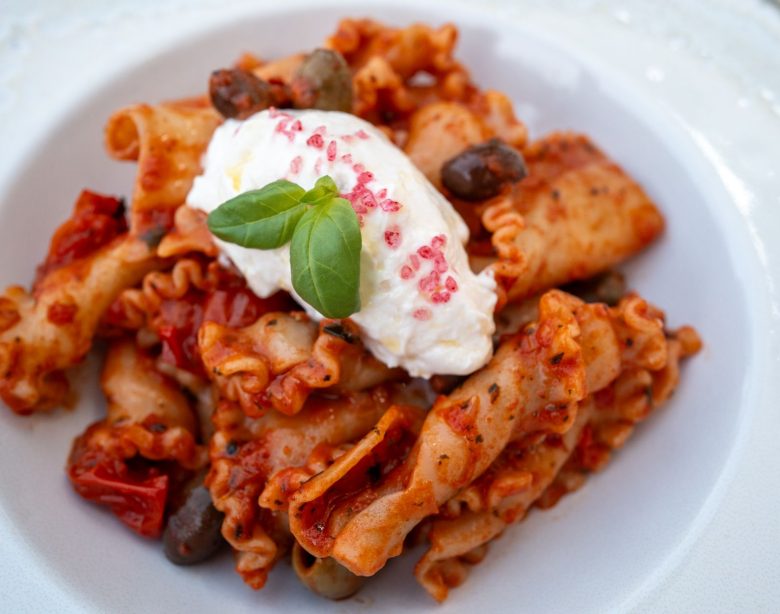
Summer squash and ricotta pasta turns a couple of zucchini or yellow squash, a box of pasta, and less than a cup of ricotta into dinner for four. The squash gets golden where it touches the skillet, and the ricotta loosens into a light sauce with a few splashes of the water you cooked the pasta in. A little garlic and lemon keep the creamy sauce bright.
Give the squash the skillet space it needs, even if that means cooking a third batch. While the first batch browns, you can grate the lemon and measure the ricotta. Keep a mug next to the colander as a reminder to scoop out some pasta water before you drain the pot.
What you’ll need
Serves 4. Allow about 35 minutes. A 12-inch skillet makes it easy to brown the squash while the pasta cooks. With a smaller skillet, give the squash a head start and plan on an extra batch.
- 12 ounces [340 g] dried short pasta, such as penne, rotini, or medium shells
- 1 pound [450 g] zucchini or yellow summer squash, or a mix
- 2 tablespoons [30 mL] olive oil, divided, plus a little more if needed
- 2 medium garlic cloves, finely chopped
- 3/4 cup [185 g] ricotta, whole milk or part skim
- 1 teaspoon finely grated lemon zest and 1 tablespoon [15 mL] lemon juice, from 1 lemon
- 1/4 teaspoon fine salt, plus more for the pasta water and to taste
- 1/4 teaspoon ground black pepper
- 2 tablespoons chopped fresh basil or parsley, optional
Any one of those pasta shapes will catch the sauce, so start with an open box if you have one. If you have two partial boxes with similar cooking times, add the slower shape first and the quicker one just late enough for both to finish together. For the squash, small and medium ones are easy to slice evenly. If you have a large garden zucchini with a spongy center and developed seeds, halve it lengthwise and scrape out the seedy middle before weighing and slicing it.
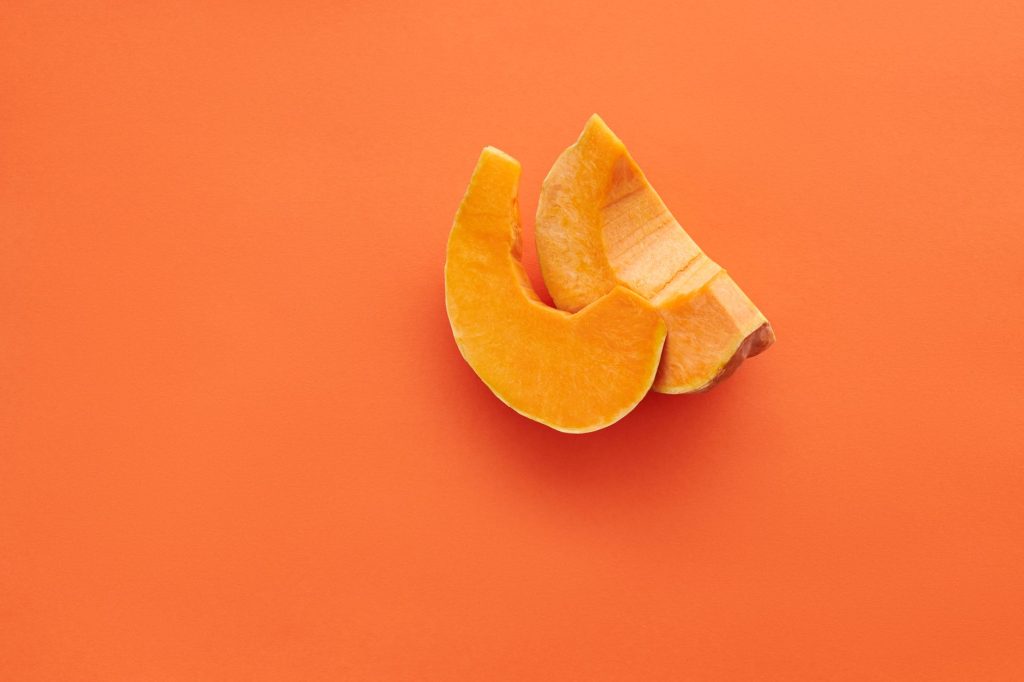
How to make summer squash and ricotta pasta
- Get the pot going and prep the squash. Bring a large pot of water to a boil and salt it. While it heats, rinse and dry the squash, trim the ends, and cut it lengthwise into halves. Slice crosswise into 1/4-inch [6 mm] half-moons. Quarter a wide squash lengthwise before slicing so the pieces are easy to eat with the pasta. Blot the cut surfaces if they look wet.
- Brown the squash in batches. Plan on 1 tablespoon of oil per batch for two batches, or divide the oil evenly if you need more batches. Heat the first portion in the skillet over medium-high heat until it shimmers. Lay in as much squash as fits in one layer with a little space between the pieces. You should hear a steady sizzle. Leave the first side alone for 2 to 3 minutes, until the undersides have golden patches. Flip and cook for another 1 to 2 minutes, until the slices bend slightly when lifted and the centers still have some bite. Transfer to a plate, sprinkle with some of the measured salt, and repeat with the remaining squash and oil. Add a small splash of oil if the pan looks dry.
- Cook the pasta and save the cloudy water. Once the first batch of squash is in the skillet, add the pasta to the boiling water. If you’ve planned on more than two batches, start the pasta with the second batch. Stir the pot well at the beginning and taste a piece near the lower end of the package’s cooking time. It should be tender with a little resistance in the center. Scoop out 1 cup [240 mL] of the cloudy cooking water, then drain the pasta and return it to the warm pot with the burner off.
- Loosen the ricotta. When the last batch of squash is out, turn off the skillet and let it cool briefly. Stir the garlic into the oil left in the skillet, adding a small drizzle if the surface is dry. Stir for about 30 seconds, until the garlic smells fragrant and is still pale. In a bowl, stir together the ricotta, lemon zest, pepper, and 1/4 cup [60 mL] of the reserved pasta water. Mash any large lumps with the back of a spoon until the mixture is loose enough to fall from the spoon in thick ribbons.
- Toss off the heat. Scrape the garlic and oil into the pasta pot, then add the ricotta mixture and toss. Add more pasta water a tablespoon at a time until the sauce coats the pasta and slides easily around the pot. Fold in the squash and any juices from the plate, reserving a few browned pieces for the top if you like. Stir in the lemon juice, taste, and adjust the salt and pepper. Serve with the herbs, if using.
Watch the skillet and the sauce
If the squash starts to sit in a puddle, lift a few pieces out and let the liquid cook away. Brown the pieces you pulled out with the next batch. If the oil smokes or the squash goes dark before the center softens, turn the heat down a notch. Seasoning each batch on the plate gives you one less thing to do while the slices brown and lets you taste them before they go into the pasta.
Ricotta can retain a fine grain even when the sauce is the right consistency. Judge it by how it coats a piece of pasta. If the sauce gathers in thick patches, add another spoonful of pasta water and toss. If it runs into a puddle, let the pasta stand for a minute and toss again before serving. Keep the mug handy until everyone has been served, since the sauce thickens as it sits.
Stretch the meal with what you have
For an extra serving, fold in 1 cup [about 170 g] of drained white beans or chickpeas. Warm them in the drained pasta pot with a splash of reserved water over low heat, then take the pot off the heat before adding the ricotta mixture. If you’re feeding someone who likes their vegetables on the side, scoop out some sauced pasta before folding in the squash and let them pick a few slices from the plate. A heel of bread, toasted and crumbled, makes a crunchy topping if you have one to use up.
Save a portion for lunch
Refrigerate leftovers promptly in a shallow, covered container and use them within 3 to 4 days. To reheat a bowlful, stir in 1 tablespoon of water, cover loosely, and microwave in short bursts, stirring between bursts, until heated through to 165°F [74°C]. Add another splash if the sauce is still thick. For any ricotta left in the tub, try spreading a spoonful on toast or stirring it into scrambled eggs before cooking.