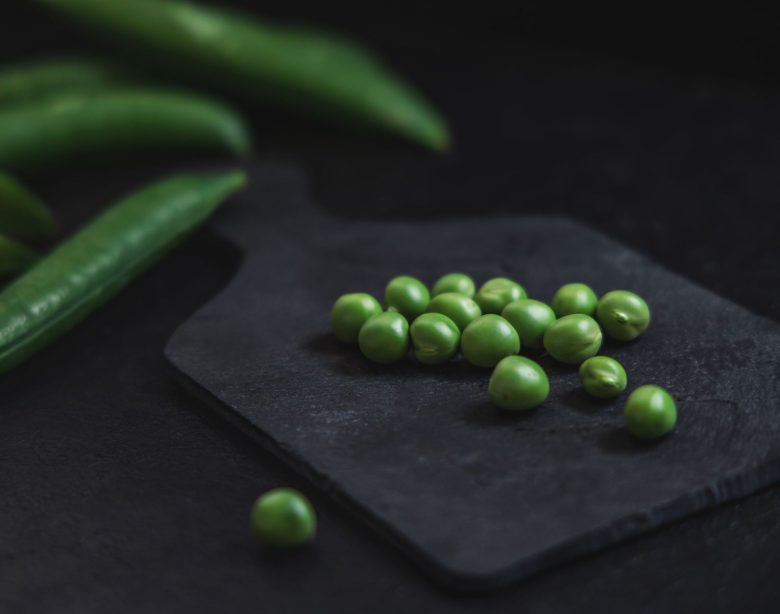
A cup of frozen peas and the boiled potatoes from last night’s dinner are enough to turn a bowl of eggs into a spring supper. The peas bring a little sweetness, the potatoes make each wedge substantial, and a handful of sharp cheddar seasons the whole skillet. If you have a green onion left in the crisper, slice it over the top. The frittata is just as welcome at the table without it.
The trick to a clean slice starts before the eggs go in. Cut the cold potatoes into even pieces, let the peas steam off their extra moisture in the skillet, and give the baked frittata a short rest. Those few minutes are a good time to dress a salad or put toast on the table.
Ingredients
Makes 6 wedges. Allow about 35 to 40 minutes, including the rest. Use a 10-inch [25 cm] oven-safe skillet. A well-seasoned cast-iron skillet or an oven-safe nonstick skillet makes lifting the wedges easier.
- 8 large eggs
- 1/4 cup [60 mL] milk
- 1/2 teaspoon fine salt, or 1/4 teaspoon if the potatoes were already well salted
- 1/4 teaspoon ground black pepper
- 1/2 cup [about 55 g] shredded sharp cheddar, divided
- 1 tablespoon [15 mL] olive oil
- 1/2 small yellow onion, finely chopped (about 1/3 cup)
- 1 1/2 cups [about 225 g] cold boiled potatoes, cut into 1/2-inch [1 cm] pieces
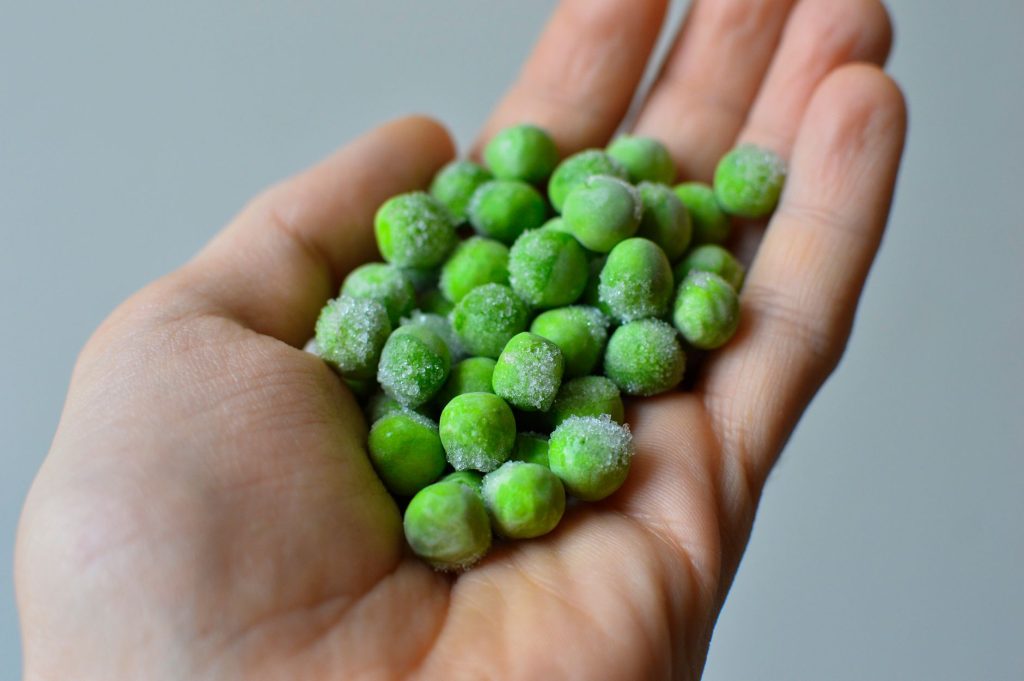
- 1 cup [about 140 g] frozen peas
- 1 green onion, thinly sliced, optional
How to make the frittata
- Heat the oven and whisk the eggs. Set a rack in the middle of the oven and preheat to 375°F [190°C]. Whisk the eggs, milk, salt, and pepper in a bowl until the yolks and whites are blended and you can no longer see clear streaks. Stir in half the cheddar and keep the rest for the top.
- Soften the onion and warm the potatoes. Heat the oil in the skillet over medium heat, tilting the pan so the oil coats the bottom and reaches the edges. Add the yellow onion and cook for 3 to 4 minutes, stirring occasionally, until translucent. Add the potatoes and cook for about 3 minutes. Let them sit for a minute between turns so a few sides can pick up some color. Turn them gently with a broad spatula so the pieces stay intact.
- Add the peas straight from the freezer. Stir them into the potatoes and cook for 2 to 3 minutes, until they are bright green and hot and the bottom of the pan has no visible puddles. If ice clinging to the peas leaves extra water behind, cook another minute or so to let it evaporate. Spread the vegetables evenly so every wedge gets both peas and potatoes.
- Pour in the eggs and set the rim. Lower the heat to medium-low. Pour the egg mixture evenly over the vegetables, gently tilting the skillet if needed to fill any gaps. Scatter the remaining cheese over the top. Leave the eggs undisturbed for 1 to 2 minutes, until a thin, opaque rim forms around the skillet and the middle still looks loose.
- Bake until the center sets. Transfer the skillet to the oven and start checking at 10 minutes. Expect about 10 to 15 minutes, depending on your pan and oven. The center should look set, with no liquid egg rippling when you gently nudge the pan. Check that the center reaches 160°F [71°C] with an instant-read thermometer, keeping the probe tip clear of the skillet bottom. Use oven mitts to move the skillet to a heatproof surface, and leave a mitt over the handle as a reminder that it’s hot.
- Rest, loosen, and slice. Let the frittata sit for 8 to 10 minutes. Sprinkle on the green onion, if using. Run a thin silicone spatula around the edge and slide it underneath to loosen the bottom. If using a nonstick skillet, slide the frittata onto a cutting board before using a knife. Cut into wedges and lift them with a wide spatula.
What makes the wedges hold together?
Cold boiled potatoes are easier to dice evenly than warm ones. Yukon Gold or red potatoes hold their shape well, and their thin skins can stay on. If you’re using a floury potato such as a russet, turn the pieces just once or twice in the skillet. Large chunks can pull away from the egg when you cut through them, while smaller pieces give you a little potato in every forkful. If you have less than the full amount, use what you have. The wedges will be a little thinner and may finish baking sooner.
Watch the middle more closely than the color of the top. Waiting for an evenly browned surface can leave the rim chewy and the center dry. After the rest, press a sharp knife straight down through the frittata and wipe the blade between cuts if bits of potato stick. For the neatest first wedge, slide the spatula all the way under the point before you lift, so the narrow end has support.
Make dinner with what you have
Next time you’re boiling potatoes for dinner, set some aside before adding butter or dressing. If you’re starting from scratch for this recipe, simmer diced potatoes in water until a fork goes through easily and the corners still hold their shape, about 8 to 10 minutes. Drain well, let the steam escape in the colander, and pat them dry before adding them to the skillet.
Use scraps of cheddar, Monterey Jack, or Swiss for the cheese. A spoonful of chopped parsley or a few snipped chives can take the place of the green onion. If you have a little cooked spinach to use up, squeeze it dry and use it in place of some of the peas. Keeping the total amount of filling about the same leaves room for the eggs to settle around the vegetables.
Serve larger wedges with toast and a pile of shredded cabbage and carrots tossed in vinaigrette. For a table with different appetites, cut smaller wedges and set out a bowl of warm beans or sliced apples so everyone can round out their plate.
Save a wedge for lunch
Refrigerate leftover wedges in a shallow, covered container within 2 hours. Use within 3 to 4 days, and use them sooner if the boiled potatoes were already near the end of their fridge time. A cold wedge holds together nicely between slices of toast with mustard. To serve it hot, cover it loosely in the microwave and heat in short bursts until the center reaches 165°F [74°C]. For a longer keep, wrap wedges individually and freeze. Thaw them in the fridge before reheating. The potatoes may be a little softer after freezing.