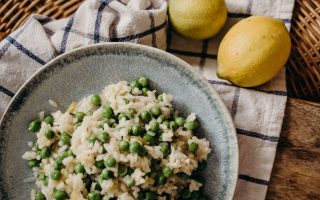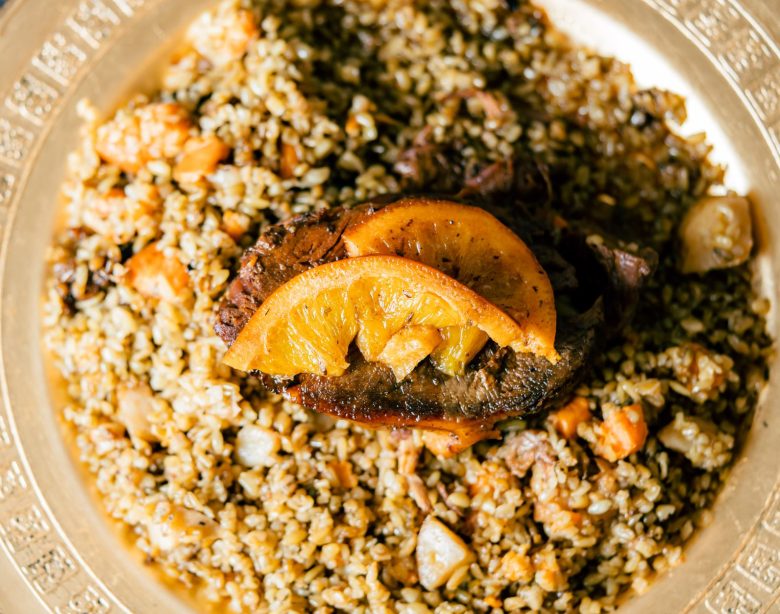
A cup of barley and a couple of carrots can fill a serving bowl with a side dish that holds its own next to roast chicken, beans, or eggs. Toast the barley in the pot before adding water and it will smell a little like toasted bread. Grate the carrots and stir them in toward the end of cooking so the shreds soften between the grains. They add bulk and a gentle sweetness to every scoop, and two carrots go a lot further here than they would sliced and served on the side.
This pilaf is made with pearl barley, which cooks to a tender chew in about 35 to 45 minutes. A wide saucepan or a medium pot with a snug lid gives you room to stir the grains while they toast. Allow 15 minutes for prep and about an hour for cooking and resting. The recipe serves four generously as a side or makes six smaller portions alongside a main dish and another vegetable.
What you’ll need
- 1 cup pearl barley (about 200 g)
- 1 tablespoon olive oil or neutral cooking oil (15 mL)
- 1 small yellow onion, finely chopped (about 1/2 cup)
- 2 medium carrots, coarsely grated (about 1 1/2 loosely packed cups or 150 g)
- 1 garlic clove, minced
- 2 3/4 cups water or unsalted broth (650 mL), plus more if needed
- 1/2 teaspoon fine salt, plus more to taste
- 1/4 teaspoon ground black pepper
- 1 to 2 teaspoons lemon juice or apple cider vinegar (5 to 10 mL), to taste
Check that the package says pearl barley. Quick-cooking barley needs different timing, and hulled barley takes longer to soften. Use the large holes of a box grater for the carrots so the shreds still have a little texture in the finished dish. Scrub the carrots and trim the ends. You can leave the skins on if they’re thin and smooth. Water works well here, especially if you take the time to soften the onion and toast the grain. If you use salted broth, start with less salt and adjust at the end.

How to make carrot and barley pilaf
- Soften the onion. Heat the oil in a wide saucepan over medium heat. Add the onion and cook for 4 to 6 minutes, stirring now and then, until it looks translucent and a few pieces turn golden at the edges. While it cooks, rinse the barley in a fine-mesh strainer under cool water and shake the strainer well to drain it.
- Toast the barley. Add the drained barley to the saucepan. Stir frequently for 3 to 5 minutes. The grains will steam at first, then look drier and smell nutty. A few may take on a light golden color. If the onion starts browning quickly, turn the heat down a little. Stir in the garlic for the last 30 seconds, just until you can smell it.
- Start the simmer. Pour in the water or broth, add the salt and pepper, and scrape the bottom of the pan with a wooden spoon to loosen any golden bits. Bring to a boil, then cover and reduce the heat to low. You want a gentle simmer, with the occasional bubble visible when you lift the lid. Cook for 25 minutes before checking the barley.
- Add the carrots. Taste a grain. It should have softened around the edges and still feel firm in the center. If it’s hard all the way through, simmer for another 5 minutes before adding the carrots. Stir the shreds through the barley, cover again, and simmer for 8 to 12 minutes more. When the barley is ready, the grains will be plump and chewy, with no hard center, and the carrots will bend easily on the spoon.
- Rest and season. Take the pan off the heat, cover it, and let it sit for 5 minutes. Fluff with a fork to separate the grains. Stir in 1 teaspoon of lemon juice or vinegar, then taste and add more if you like. Taste for salt once the acid is in. The finished pilaf should be moist enough to scoop easily, with orange strands visible throughout.
Barley can take a little longer depending on the grain and how much steam escapes from the pan. If the bottom looks dry while the barley is still firm, stir in 1/4 cup hot water (60 mL), cover, and check again after 5 minutes. If the grains are tender and liquid still pools when you tilt the pan, simmer uncovered for a few minutes before the covered rest. A spoon drawn across the bottom should leave a trail that stays visible for a moment.
Make the pilaf part of dinner
As a side, the pilaf goes with foods that leave a little sauce on the plate, such as chicken thighs with pan juices or white beans simmered with tomatoes. Spoon the juices over the grain at the table. For a meal built around the pilaf, warm a drained 15-ounce can of chickpeas (425 g before draining) with a splash of water and a pinch of salt, then fold them into the finished pot. A fried egg on each bowl is another way to round out dinner. Serve with whatever green vegetable you have on hand, from steamed frozen peas to chopped cabbage dressed with lemon.
This is also a place for a spare carrot or the last stalk of celery. Chop the celery finely and soften it with the onion. If you have an extra carrot, grate it in with the others and give the pot a good stir before replacing the lid. If all you have is a handful of baby carrots, grate what you can comfortably hold and finely chop the ends. For a household that likes different seasonings, keep the pot mild and put chopped parsley, black pepper, or a little hot sauce on the table so everyone can finish their own bowl.
Store it for another meal
Transfer leftovers to shallow containers and refrigerate within 2 hours of cooking. Keep them covered in the refrigerator for up to 4 days. For longer storage, freeze in meal-size portions for up to 2 months for best texture. Thaw in the refrigerator overnight. Reheat only what you need, adding a spoonful of water per cup of pilaf to loosen the grains. Cover and heat to 165°F (74°C), stirring once or twice so the center heats evenly.
A small leftover portion can give a pot of soup some body. Add the cooked pilaf just before serving and heat it through so the barley keeps its chew. For lunch, warm it in a skillet with a handful of peas and any cooked chicken you have left, then brighten the bowl with another squeeze of lemon. If you’re planning two meals from the start, spoon some pilaf into a container before dinner so you know how much you’ll have for the next day.