A couple of slices of rye bread can give a pan of mild white fish a crisp, buttery top. The bread’s earthy flavor goes well with Dijon mustard, which doubles as the glue that holds the crumbs in place. Add lemon zest to the crumbs before baking and save the juice for the table, where everyone can squeeze a little over their own portion.
Cod and haddock are good choices for this dinner. Their thick flakes hold together when you lift the fillets off the pan, and both are mild enough to let the rye come through. You can make the crumbs and set out the sides while the oven heats. Once the fish goes in, there’s just enough time to steam some peas and get plates on the table.
Baked Fish with Mustard and Rye Crumbs
Serves 4. Allow about 20 minutes to prepare the fish and crumbs and 10 to 15 minutes to bake fish about 1 inch (2.5 cm) thick. Thinner pieces may finish sooner.
Ingredients
- 4 skinless cod or haddock fillets, 5 to 6 ounces (140 to 170 g) each, thawed if frozen
- 2 to 3 slices sturdy rye bread, enough for 1 loosely packed cup of coarse crumbs before toasting
- 2 tablespoons (28 g) unsalted butter
- 1 lemon
- 2 tablespoons (30 mL) Dijon mustard
- 2 tablespoons chopped fresh parsley
- 1/4 teaspoon fine salt, divided
- 1/4 teaspoon ground black pepper
How to make it
- Heat the oven and prepare the fish. Put a rack in the middle of the oven and heat it to 425°F (220°C). Line a rimmed baking sheet with parchment rated for that temperature. Pat the fish dry on both sides with paper towels and run your fingertips over the flesh to check for pin bones. Pull any you find with clean kitchen tweezers. Arrange the fillets with an inch or so between them. If a fillet tapers to a thin flap, tuck that end underneath so it cooks more evenly.
- Make coarse crumbs. Tear the bread into pieces and pulse it in a food processor until most of the bits are about the size of a lentil. A mix of small and slightly larger crumbs gives you good coverage and crunchy edges. Without a processor, chop the bread with a serrated knife. Measure 1 cup without pressing it down. If the bread is fresh and bends under the knife, toast the slices lightly, let them cool, and try again.
- Toast and season the topping. Melt the butter in a skillet over medium heat. Stir in the rye crumbs and a pinch of the measured salt. Cook for 3 to 5 minutes, stirring frequently, until the crumbs feel dry when you sweep them across the pan and smell toasty. Dark rye can be hard to judge by color, so listen for a faint rustle as you stir. Tip the crumbs into a bowl and stir in the parsley and 1 teaspoon finely grated lemon zest. Cut the lemon into wedges for serving.
- Coat the fillets. Season the fish with the remaining salt and the pepper. Use the back of a spoon to spread about 1 1/2 teaspoons of Dijon over the top of each fillet, all the way out to the edges. Divide the crumbs among the four pieces and press gently with your fingertips so they adhere. Aim for an even layer so every forkful gets a little crust.
- Bake until the fish flakes. Start checking thin fillets after about 8 minutes and thicker ones after 10. Slide an instant-read thermometer in from the side so the tip reaches the center of the thickest part. The fish is done at 145°F (63°C). The flesh should look opaque and separate into flakes when you nudge it with a fork. If one piece finishes early, lift it onto a plate with a wide spatula while the rest cook. Serve warm with the lemon wedges.
Choose a rye that crumbles well
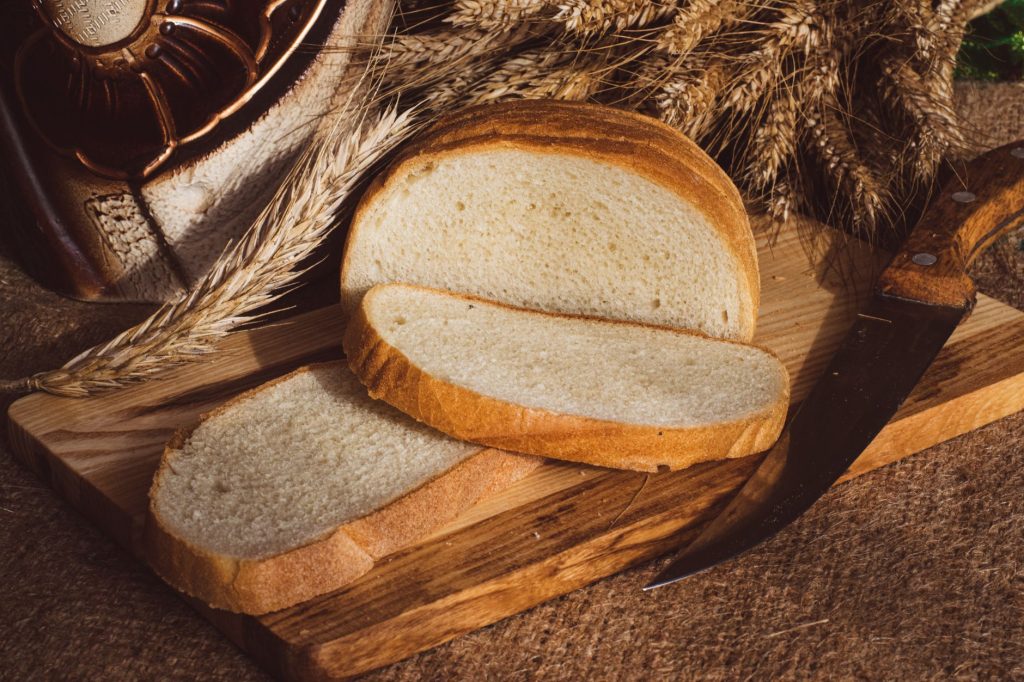
Look for a loaf with some chew and a firm crust. Seeded rye adds a little caraway flavor, while plain rye keeps the topping milder. Leave the crust on if it chops readily. If it breaks into large, hard chips, trim it off and measure the crumbs from the softer part of the loaf. If you have rye heels in the freezer, let them thaw before chopping. A few minutes in the skillet will take care of any surface dampness.
The skillet step matters especially with thin fish. A slender fillet can cook through before fresh breadcrumbs have time to dry out in the oven. Toasting the rye first gives it a head start. If the crumb layer slips off when you serve the fish, pat the fillets a little drier next time and spread the Dijon right to the edges. A wide spatula slipped all the way under each piece also helps keep the crust in place.
If the fillets vary a lot in thickness, put the thick pieces at one end of the baking sheet and the thin pieces at the other. When you open the oven to check them, you can lift the thin pieces off without disturbing the thicker ones or knocking crumbs loose.
Round out the dinner
For mashed potatoes and peas, start the potatoes before you make the crumbs and put the peas on when the fish is nearly done. For a crisper side, toss shredded cabbage and thinly sliced apple with a spoonful of cider vinegar, a little olive oil, and a pinch of salt. Make the slaw while the oven heats so the cabbage has time to soften slightly. Put it alongside the fish on the plate so its dressing stays clear of the crumbs.
For a diner who likes just a hint of mustard, spread a thinner layer on that fillet and press the crumbs gently into it. You can also toast a spoonful of extra rye crumbs in the same skillet and bring them to the table in a bowl. They’re good over peas, especially if someone wants a little more crunch on the side.
Make ahead and store leftovers
You can toast the buttered crumbs a day ahead. Let them cool, cover them, and refrigerate. Stir in the parsley and lemon zest just before assembling the fish. If you’re using frozen fillets, follow the package thawing instructions, including any directions about removing vacuum packaging, and thaw them in the refrigerator. Add the mustard and crumbs just before baking so the bread stays dry.
Refrigerate leftover fish in a shallow, covered container within 2 hours of cooking, or within 1 hour if it’s above 90°F (32°C). Use it within 3 to 4 days. Reheat it uncovered on a baking sheet at 350°F (175°C) until the center reaches 165°F (74°C). The dry oven heat helps the topping crisp again. A leftover fillet makes a good lunch tucked into a toasted roll with a handful of cabbage slaw.