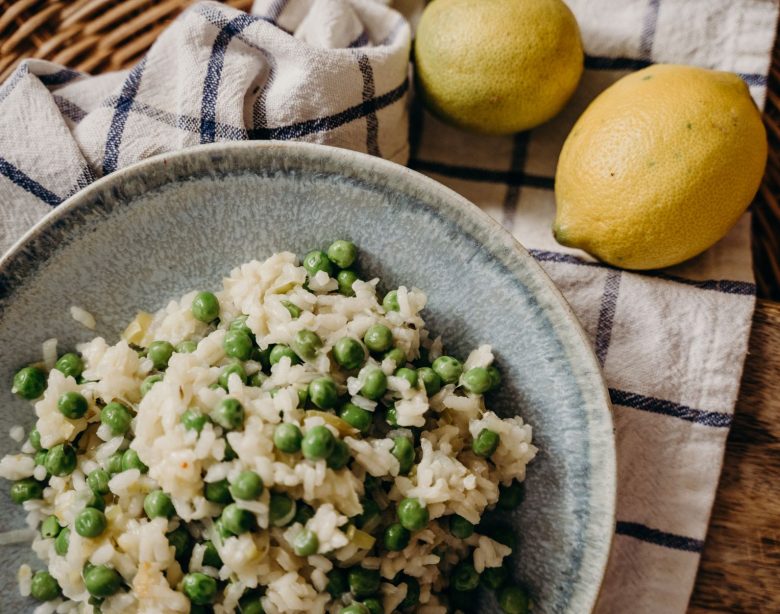
A bag of frozen peas, half a box of small pasta, and a lemon are enough to get this salad on the table. The peas go into the pasta water near the end of cooking, so you need one pot and one colander. A spoonful of mustard helps the lemon dressing cling to the pasta, and a little onion gives each forkful some crunch.
The most useful step happens before the salad goes into the fridge. Set aside a few tablespoons of dressing, then toss the pasta with the rest while it is still slightly warm. The pasta takes up some of that first dressing as it chills. Stir in the reserved spoonfuls just before serving to loosen the salad and bring the lemon flavor back to the forefront.
What you need
This makes about 4 side servings. Use elbows, small shells, ditalini, or another small shape you already have. Shells tend to catch the peas, which makes it easy to get a little of everything in one bite.
- 8 ounces [225 g] dry small pasta
- 1 1/2 cups [about 200 g] frozen peas
- 1/4 cup finely chopped red onion
- 1 medium lemon, for 1 teaspoon finely grated zest and 3 tablespoons juice
- 1/4 cup [60 mL] olive oil
- 1 teaspoon Dijon mustard
- 1/2 teaspoon honey or granulated sugar
- 1/4 teaspoon fine salt, plus more for the pasta water and to taste
- 1/4 teaspoon ground black pepper
- 2 tablespoons chopped fresh parsley, optional
Zest the lemon before cutting it, using only the yellow part of the peel. If your lemon comes up a little short on juice, make up the difference with a splash of white wine vinegar. Finely chop the onion so it spreads through the salad. If you prefer a milder bite, soak the pieces in cold water while the pasta cooks, then drain and pat them dry.
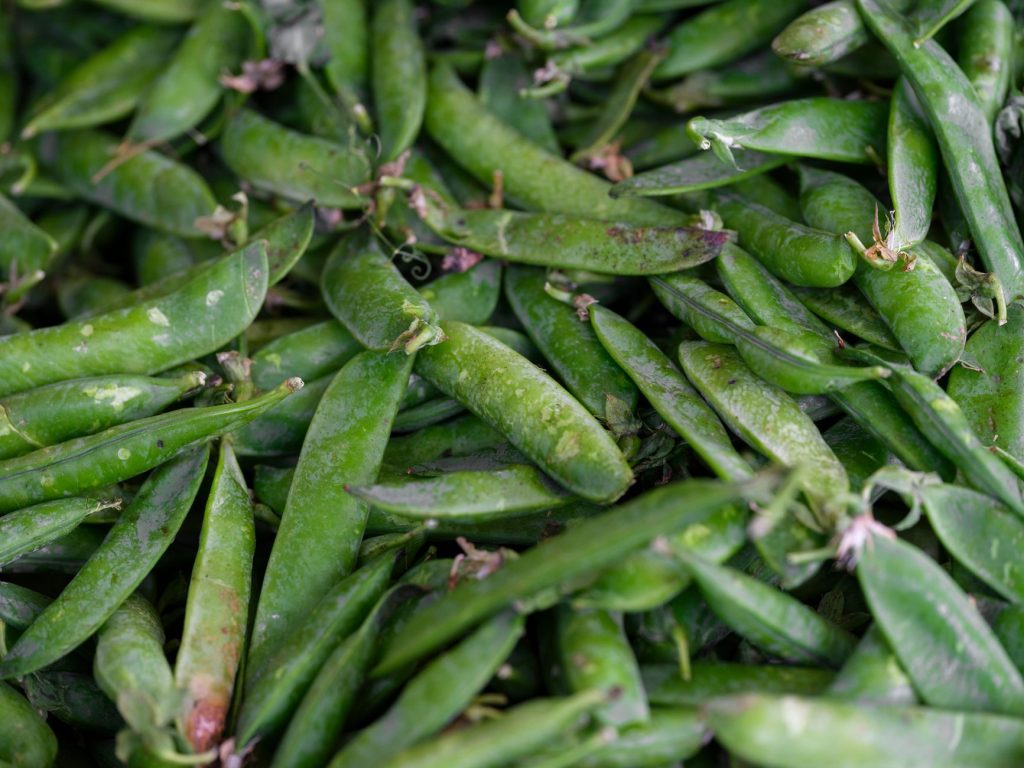
How to make lemon and pea pasta salad
- Make the dressing. Whisk the lemon zest and juice with the oil, mustard, honey, measured salt, and pepper in a small bowl. Keep whisking until the oil is dispersed and the dressing looks slightly cloudy. Stir it once more and spoon 2 tablespoons into a small covered container. Refrigerate that portion for serving.
- Cook the pasta and peas. Bring a large pot of water to a boil, salt it, and add the pasta. Start tasting a piece about 2 minutes before the lower end of the package’s suggested time. When it is nearly tender and has just a little firmness at the center, add the frozen peas. Let the water return to a simmer and cook until the peas are hot all the way through and the pasta is tender with a slight bite. Follow the pea package’s cooking directions, adding the peas earlier if they need more time.
- Drain and dress. Drain everything in a colander with holes small enough to hold the peas. Shake it a few times to get water out of the pasta, especially if you’re using shells. Let the steam subside for a minute or two, then transfer the pasta and peas to a large bowl. Add the onion and pour over the dressing from the bowl. Fold gently with a large spoon until the pasta is evenly coated.
- Chill and finish. Cover and refrigerate for at least 30 minutes, or until the salad is cool throughout. Whisk or shake the reserved dressing. Toss the cold salad with half of it, then taste a bite with both pasta and peas. Add the rest if the pasta still seems dry or the lemon tastes faint. Finish with parsley, if using, and adjust the salt and pepper to taste.
Check the bowl before adding more dressing
Tip the bowl slightly and look at the bottom. If dressing has collected there, fold the salad from the bottom up and taste again. If the pasta looks dry and the bowl is dry too, add another spoonful of the reserved dressing. For a salad that tastes flat even though it has enough lemon, try a small pinch of salt first. If the lemon is sharper than you want, stir a teaspoon of oil into the remaining dressing before adding it. Taste the salad cold, the way you’ll serve it. It’s easier to judge how much dressing it needs once the pasta has had time to soak up the first round.
Make it fit what’s in the kitchen
If you have ends of two pasta boxes, weigh out 8 ounces total and compare the cooking times. Start the slower shape first, then add the quicker one partway through so they finish together. For instance, if one needs 10 minutes and the other needs 7, start the second 3 minutes after the first. Taste both before draining. A short, sturdy shape is handy here because it holds up when you stir the salad again after chilling.
A few familiar add-ins can turn the salad into lunch. Fold in a drained can of chickpeas or white beans, or add a cup of chopped cooked chicken. Start with those additions before adding the reserved dressing so everything gets coated. If the bowl needs a little more dressing after that, whisk together a tablespoon of olive oil and a squeeze of lemon, then add it a spoonful at a time.
For extra crunch, use a finely diced celery stalk or a handful of chopped cucumber. Add cucumber just before serving, since it releases water as it sits. A small handful of crumbled feta also works if you have some to use up. Taste after adding it before reaching for the salt. You can skip the parsley or swap it for chopped dill or chives.
Serving and storing
Serve it alongside baked chicken or sandwiches, or put out a bowl with hard-boiled eggs and sliced vegetables for a simple lunch. If someone at the table prefers a milder salad, serve their portion before tossing in the last of the dressing. You can also leave the chopped onion on the side and stir it into individual bowls.
To make the salad a day ahead, refrigerate the dressed pasta and peas in a covered container and keep the reserved dressing in its own container. Give the dressing a few minutes on the counter if the oil has thickened in the fridge, then shake it and toss it through the salad. Cold pasta can stick together a little, so use a broad spoon to separate the pieces gently.
Refrigerate leftovers promptly in a covered container and use them within 3 days of making the salad. If you’re packing it for lunch, keep it cold with an ice pack. For a bowl that has soaked up all its dressing overnight, stir in a small squeeze of lemon and a drizzle of oil. Taste before adding more salt. The peas stay sweet, and the little bit of fresh dressing makes the next day’s bowl worth looking forward to.