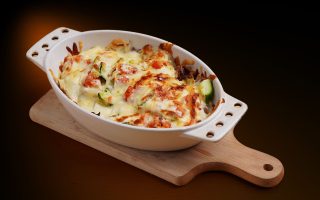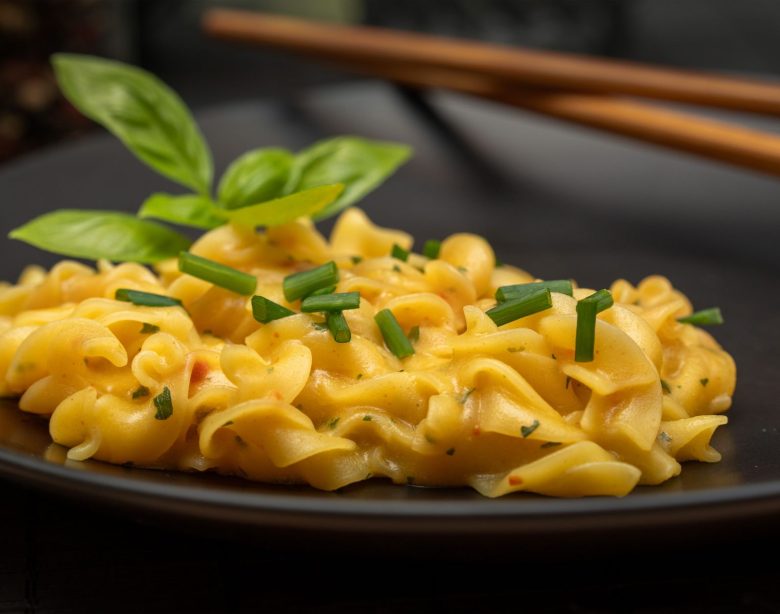
A can of white beans and a couple of carrots can turn a box of pasta into dinner for six. Blend the beans with milk and sauteed garlic for a creamy sauce that settles into the pasta tubes. Then scatter grated carrot over the sauced pasta in handfuls, tossing as you go so there are orange flecks in every scoop. A layer of cheddar melts over the top, with a few browned edges for anyone who likes to claim a corner piece.
This is a good dinner to plan around what you already have. Use short pasta from the cupboard, the last carrots in the produce drawer, and a wedge of cheddar from the fridge. The beans give the sauce enough body that a single cup of cheese can season the whole pan and still leave plenty for the top.
What you’ll need
Serves 6. Allow about 50 minutes, including time to boil the pasta and let the bake rest. Use a 2 1/2-quart [2.4 L] baking dish, a large pot, a small skillet, a box grater, and a blender.
- 12 ounces [340 g] dry short pasta, such as penne, rotini, or medium shells
- 1 tablespoon [15 mL] olive oil, plus a little more for the baking dish
- 2 garlic cloves, minced
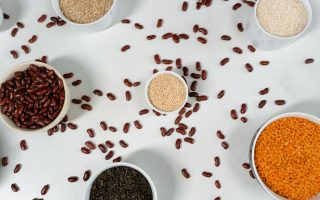
- 1 can white beans, 15 ounces [425 g] before draining, rinsed and drained, or 1 1/2 cups cooked white beans
- 1 1/4 cups [300 mL] whole milk
- 1/2 teaspoon fine salt, plus more for the pasta water and to taste
- 1/4 teaspoon ground black pepper
- 1/2 teaspoon dried thyme
- 1 cup [about 110 g] coarsely grated carrot, from about 2 medium carrots
- 1 cup [about 115 g] shredded sharp cheddar, divided
- Up to 1/2 cup [120 mL] reserved pasta cooking water
How to make the pasta bake
- Heat the oven and start the pasta. Set a rack in the middle of the oven and heat it to 400°F [200°C]. Lightly oil the baking dish. Bring a large pot of salted water to a boil. Cook the pasta for 2 minutes less than the shortest time on the package. Bite into a piece to check it. The outside should bend easily, and the center should still feel firm. Scoop out 1/2 cup of the cooking water before draining. Leave the pasta in the colander while you finish the sauce.
- Soften the garlic. While the pasta cooks, warm the tablespoon of oil in a small skillet over medium-low heat. Stir in the garlic and cook for 30 to 60 seconds, until fragrant and still pale. Take the skillet off the heat and scrape the garlic and oil into the blender with the beans, milk, salt, pepper, and thyme.
- Blend until smooth. Blend for 45 to 60 seconds, pausing to scrape down the sides with the blender off if needed. Taste the sauce from a spoon. It should feel smooth and have enough body to lightly coat the spoon. Give it another pass in the blender if you can still feel bits of bean skin. Add a pinch of salt if it needs one, especially if you started with unsalted home-cooked beans.
- Scatter in the carrot. Return the drained pasta to the pot with the burner off and stir in the sauce and 1/3 cup of the cheddar. Loosen the grated carrot with your fingers and scatter it in two or three handfuls, folding after each addition to break up clumps. The mixture should look a little looser than you’d want on the plate because the pasta will take up more liquid in the oven. If the sauce is already clinging thickly, stir in reserved pasta water 1 tablespoon at a time until you see a little sauce collect between the pieces.
- Bake until bubbling. Spoon the mixture into the prepared dish and level it gently so the pasta at the edges is coated. Scatter the remaining cheddar evenly over the top. Bake uncovered for 20 to 25 minutes, until the sauce bubbles around the edges, the cheese has a few golden spots, and a piece of pasta from the middle is tender. Let the bake stand for 5 minutes before scooping so the sauce has time to settle.
Make it with what you have
Use canned or batch-cooked beans
Cannellini, great northern, and navy beans all work. For beans you’ve cooked from dry, choose a portion that’s soft enough to squash easily against the side of a bowl. Drain off the cooking liquid before measuring so you can control how thick the sauce is. If you’ve made a big pot, freeze the extra beans in recipe-size portions. Thaw a portion in the fridge before blending it into the next bake, or stir the beans into soup near the end of cooking.
Use up the pasta and cheese odds and ends
If you have two open boxes of short pasta with similar cooking times, combine them. For shapes with different times, start the slower one first, then add the quicker one once the difference has elapsed. Small shells cup the sauce, while spirals catch the carrot shreds in their ridges. A mix of cheddar and Monterey Jack also works if you have a little of each. Put the sharper cheese on top so its flavor comes through in the first bite.
Grate the carrot for even cooking
Use the large holes of a box grater for shreds thin enough to soften in the oven and wide enough to show up in the finished bake. If you’re starting with bagged matchstick carrots, chop them into short pieces and soften them in a splash of water in the skillet before you cook the garlic. Drain them well, then fold them through the pasta. If you have an extra carrot, slice it into sticks to serve alongside the bake for some crunch.
While the pasta bakes, check the fridge for a simple side. A wedge of cabbage can become a quick slaw with a splash of vinegar and a pinch of salt. If you have frozen peas, warm a handful for each plate just before serving.
Save a portion for later
Refrigerate leftovers in shallow, covered containers within 2 hours of baking, or within 1 hour if the surrounding temperature is above 90°F [32°C]. Eat refrigerated portions within 3 to 4 days. For longer storage, freeze individual portions in airtight containers and use them within 2 months for the best texture. Thaw overnight in the refrigerator.
To reheat a portion, add a tablespoon of milk or water around the edges and cover it loosely in a microwave-safe dish. Heat in short bursts, checking the center as you go, until it reaches 165°F [74°C]. The splash of liquid helps loosen the sauce, especially around pasta that sat at the edge of the baking dish. If you’re reheating several portions, put them in a covered oven-safe dish and warm them at 350°F [175°C] to the same internal temperature.