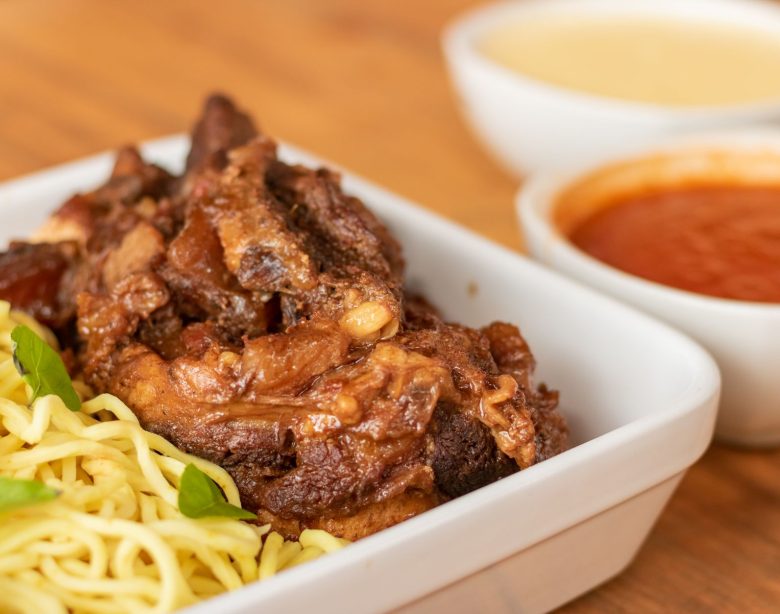
A pot of beef braised with onions and parsnips makes a good Sunday dinner, especially when there’s time to let the onions brown slowly. They soften into the broth as the beef cooks, and a few minutes of simmering at the end turns that broth into a glossy gravy. The parsnips go in once the beef is nearly tender, so they keep their shape and bring a little sweetness to each bowl.
Set aside about 40 to 55 minutes to get the pot into the oven and about 2 to 3 hours for the braise. Most of that oven time is hands-off. The recipe serves 6 and fits in a 5- to 6-quart Dutch oven with a tight-fitting lid.
What you’ll need
- 2 1/2 pounds boneless beef chuck roast [1.1 kg], cut into 2-inch [5 cm] chunks
- 1 1/2 teaspoons kosher salt, plus more to taste
- 1/2 teaspoon ground black pepper
- 2 tablespoons neutral oil [30 mL], divided
- 3 medium yellow onions (about 1 pound [450 g] total), halved and thinly sliced
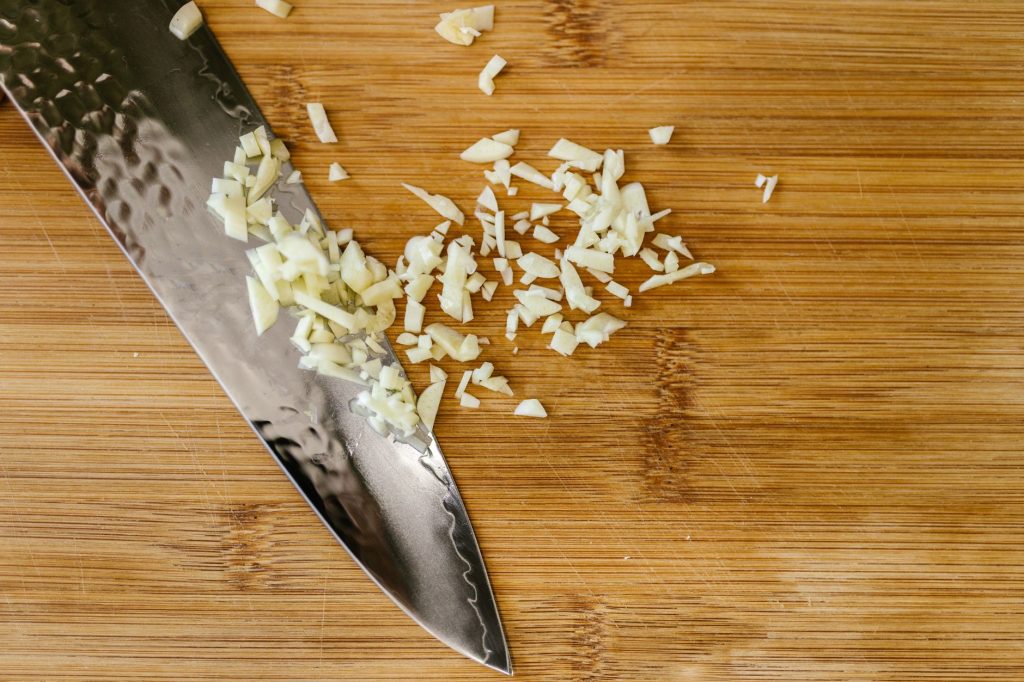
- 3 garlic cloves, minced
- 2 tablespoons tomato paste [30 mL]
- 2 tablespoons all-purpose flour [about 16 g]
- 2 1/2 cups low-sodium beef broth [600 mL], plus more as needed
- 4 sprigs fresh thyme or 1/2 teaspoon dried thyme
- 1 bay leaf
- 1 pound parsnips [450 g], peeled and cut into roughly 1-inch [2.5 cm] pieces
- 1 teaspoon apple cider vinegar [5 mL], plus more to taste
Look for a chuck roast with thin streaks of fat running through it. Trim away any thick, hard pieces of fat on the outside. If the parsnips are wide at the top, quarter those ends lengthwise before cutting them into pieces. A large parsnip can have a tough, woody center. If you see one when you cut it open, slice it out before chopping the rest.
How to braise the beef and build the gravy
- Brown the beef in batches. Heat the oven to 325°F [165°C]. Pat the beef dry with paper towels and season it all over with the salt and pepper. Heat 1 tablespoon of the oil in the Dutch oven over medium-high heat. Brown the beef in two or three batches, leaving some space between pieces. Give each batch about 5 to 7 minutes, turning the chunks once they release easily, until two or three sides have a deep brown crust. Transfer the beef to a plate as it browns and save any juices that collect there.
- Cook the onions until deeply golden. Reduce the heat to medium and add the remaining tablespoon of oil and the onions. Stir to coat and cook for 18 to 25 minutes, stirring more often once they start to color. The onions will first look wet and bulky, then shrink into soft, golden strands with darker edges. If the bits on the bottom get very dark before the onions are ready, add a tablespoon of water and scrape them up with a wooden spoon. Let the water cook off before moving on.
- Make the gravy base. Stir in the garlic and tomato paste and cook for about 1 minute, until the paste darkens slightly and the garlic smells fragrant. Sprinkle the flour over the onions and stir for another minute, until there are no dry patches. Pour in about 1/2 cup [120 mL] of the broth and scrape up any browned bits. Once you have a smooth mixture around the onions, stir in the remaining broth, thyme, and bay leaf. Return the beef and its juices to the pot. The liquid should reach roughly halfway up the beef. Add a splash of broth if the level is low.
- Braise until the beef is nearly tender. Bring the liquid to a gentle simmer on the stove, cover the pot, and transfer it to the oven. Check the beef after about 1 hour and 45 minutes. A fork should slide into a chunk with a little resistance, and the meat should still hold together when you lift it. If it feels firm and springy, cover the pot and give it another 20 minutes before checking again. Add the parsnips once the beef is close to tender.
- Cook the parsnips in the braising liquid. Nestle the pieces around the beef and spoon some gravy over any exposed tops. Cover and return the pot to the oven for 25 to 35 minutes. Start checking at 25 minutes. A knife should slip through a thick piece of parsnip without forcing it, and the beef should pull apart with a gentle twist of a fork. If the parsnips are ready first, lift them out with a slotted spoon and keep braising the beef until tender.
- Finish the gravy on the stove. Lift the beef and parsnips onto a plate and remove the bay leaf and any thyme stems. Skim off any pools of fat with a spoon. Simmer the gravy uncovered over medium heat, stirring occasionally, until it looks glossy and coats the back of a spoon, about 5 to 10 minutes. If it already coats a spoon when it comes out of the oven, you can skip the simmer. If it’s thicker than you like, stir in broth a tablespoon at a time. Stir in the vinegar, taste for salt, and return the beef and parsnips to the pot to warm through.
At the table
Use the first stretch of oven time to peel and cut the parsnips. Once they go into the pot, there’s enough time to boil potatoes or set out bowls and get a pot of noodle water going. A plate of steamed green beans adds a crisp bite alongside the tender beef.
Mashed potatoes make a soft bed for the beef, and wide egg noodles catch the onion strands. Buttered toast works if you’d rather keep the sides simple. Serve the beef in chunks or break it into smaller pieces with two forks for younger diners. Spoon the gravy over each helping at the table, where everyone can decide how much they want.
If the beef is done before everyone is ready to eat, finish the gravy and put the meat and parsnips back in the pot. Keep it covered off the heat for a short wait, then bring it back to a gentle simmer just before serving. Stir carefully so the soft parsnips stay whole.
Storing and reheating leftovers
Refrigerate the beef, parsnips, and gravy together in shallow, covered containers within 2 hours of cooking. Use refrigerated leftovers within 3 to 4 days, or freeze portions for up to 3 months for best quality. The parsnips soften a little after freezing. Thaw frozen portions overnight in the refrigerator.
The gravy thickens in the fridge. Add a splash of broth or water and reheat gently in a covered saucepan, stirring occasionally, until the leftovers reach 165°F [74°C] throughout. If there’s only a little beef left, pull it into bite-size pieces, warm it in the gravy, and spoon it over baked potatoes or split biscuits.