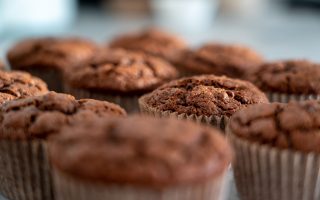
Apple cider doughnut muffins have the soft middle and cinnamon-sugar shell of a cider doughnut, and they bake in a regular muffin pan. The best job for kids comes after the muffins have cooled. They can paint each one with melted butter, roll it in cinnamon sugar, and see exactly where the sugar sticks. If a patch comes out bare, a dab of butter and another roll will fix it.
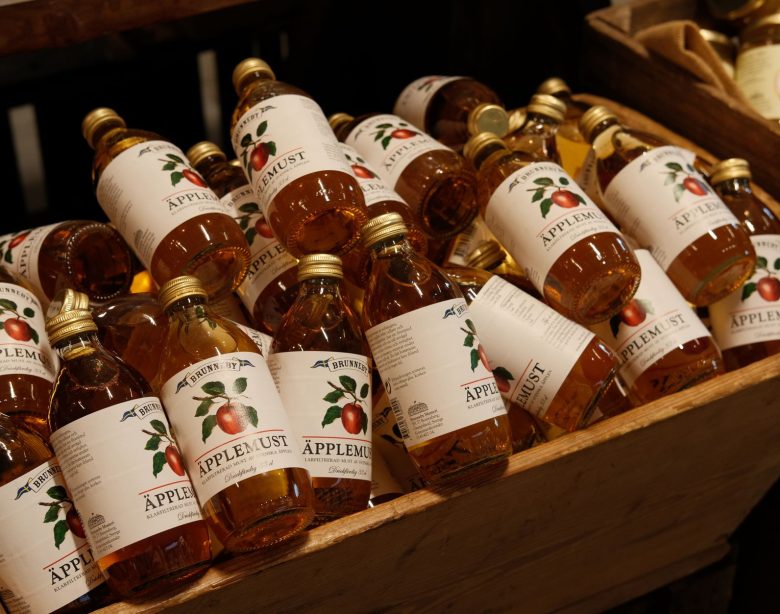
Start by simmering apple cider until you have half a cup. That small amount carries plenty of apple flavor and gives the batter just enough liquid. Everything else comes together with two bowls and a whisk. You can reduce the cider ahead of time if you want to start baking as soon as your helpers arrive.
What you’ll need
Makes 12 standard muffins. Allow about 20 minutes to reduce the cider, 15 minutes to mix and portion the batter, and 16 to 20 minutes to bake. Give the muffins roughly 30 minutes to cool before setting up the coating station.
For the muffins
- 1 1/2 cups apple cider [360 mL], the unflavored, nonalcoholic kind
- 2 cups all-purpose flour [240 g], spooned into the cup and leveled
- 1 1/2 teaspoons baking powder
- 1/2 teaspoon baking soda
- 1 1/2 teaspoons ground cinnamon
- 1/4 teaspoon ground nutmeg
- 1/2 teaspoon fine salt
- 1/2 cup unsalted butter [113 g], melted and cooled slightly
- 1/2 cup packed light brown sugar [105 g]
- 2 large eggs
- 1/2 cup plain regular yogurt [120 g]
- 1 teaspoon vanilla extract
- A little neutral oil or softened butter for the pan
For the cinnamon-sugar coating
- 4 tablespoons unsalted butter [57 g], melted and cooled until just warm
- 1/2 cup granulated sugar [100 g]
- 2 teaspoons ground cinnamon
Mix and bake the muffins
- Reduce the cider. Pour the cider into a small saucepan and bring it to a boil. Lower the heat and let it simmer uncovered until you have 1/2 cup [120 mL]. Start checking around 15 minutes, since a wide pan can reduce the cider faster. An adult can pour the hot cider into a heatproof liquid measuring cup to check. If there’s more than half a cup, return it to the pan and keep simmering. If it goes a little below the mark, add enough water to bring it back to half a cup. Let it cool to room temperature.
- Get the pan ready. Heat the oven to 375°F [190°C] with a rack in the middle. Lightly grease all 12 wells of a standard muffin pan, including the rims. Skip the liners so the sides are easy to brush later.
- Whisk in two bowls. In a large bowl, whisk the flour, baking powder, baking soda, cinnamon, nutmeg, and salt until the spices look evenly scattered. In a second bowl, whisk the melted butter and brown sugar, breaking up lumps against the side. Whisk in the eggs, then the yogurt, vanilla, and cooled cider. A few little flecks of butter are fine.
- Fold and scoop. Pour the wet mixture into the flour mixture. Use a spatula to scrape along the bottom and turn the batter over until the last dry streak disappears. The batter will look thick and a little lumpy. Divide it evenly among the wells, filling them about three-quarters full. A spring-handled scoop helps kids portion the sticky batter. Remind helpers to save their first taste for the baked muffins.
- Bake and cool. Bake for 16 to 20 minutes. The tops should spring back when lightly pressed, and a toothpick in the center of a muffin should come out clean or with a few moist crumbs. An adult handles the oven and hot pan. Let the muffins sit in the pan for 5 minutes, then loosen the edges with a thin spatula and transfer them to a rack. Wait until the tops and bottoms feel completely cool before coating.
Set up a cinnamon-sugar station
Put a shallow bowl of just-warm melted butter and a shallow dish of cinnamon sugar on a rimmed baking sheet. Stir the sugar and cinnamon until the color is even. Set a clean plate beside the sheet for finished muffins. Start with about half the cinnamon sugar in the dish and refill it as needed. That keeps you from dragging every muffin through the buttery clumps that collect by the end.
Have one child hold a muffin over the sheet and brush a thin coat of butter over its top and sides. The surface should look lightly shiny. Then have them tip the muffin onto its side in the sugar and roll it gently. Turn it cap down for a quick dip, then lift it onto the plate. Leave the bottom plain for an easy place to grip, or brush and dip it too for sugar all the way around.
Young helpers can roll a muffin you’ve already brushed or sprinkle sugar over the top with a spoon. Older kids can run both steps or work as a pair, with one brushing and one rolling. If the sugar slides off in clumps, use a little less butter on the next muffin. When everyone is done, tip the loose crumbs and used sugar into the trash and wipe down the tray. Check the rim and the underside, where small hands tend to leave buttery fingerprints.
Give everyone a job while the muffins cool
Cooling time is a good moment to clear away the mixing bowls and move the rack out of reach of little hands. Have kids wash their hands again if they helped with the batter. They can measure the cinnamon and sugar, count out the muffins once cool, or set a plate at each end of the baking sheet so the plain and finished batches have their own spots.
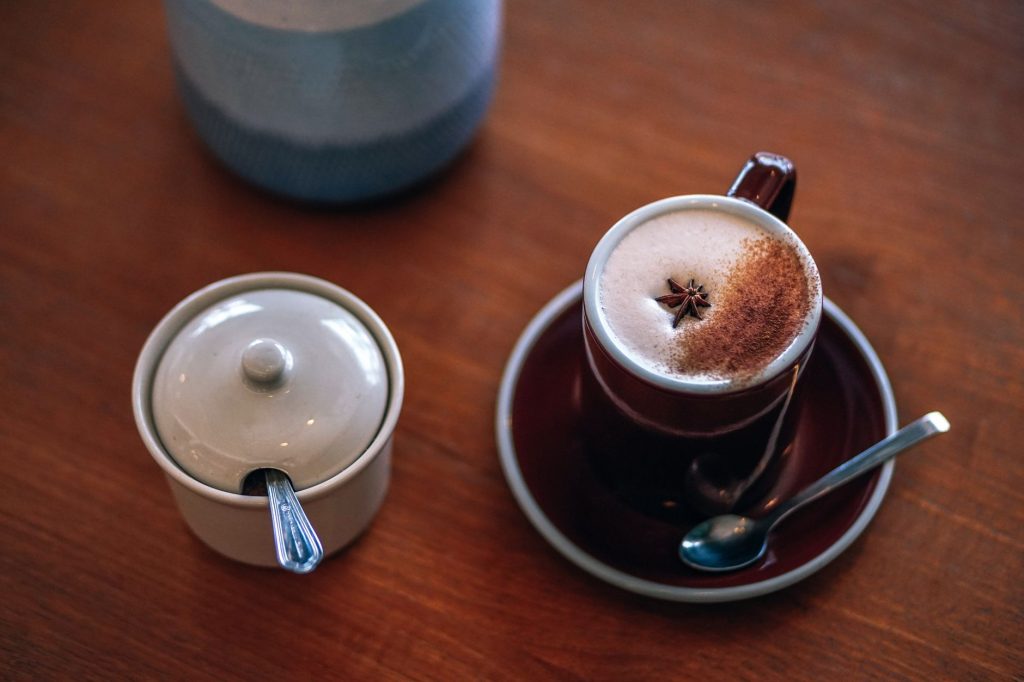
For a lighter coating or a quicker turn at the table, brush and dip just the tops. You can make a few that way alongside the fully rolled ones and let everyone pick which they want with a glass of milk or a mug of warm cider.
Make ahead and store
Reduce the cider up to two days ahead and refrigerate it in a covered container. Measure it again before mixing, since a little can cling to the container, and let it come to room temperature while you get the other ingredients ready. You can also bake the muffins the day before, then let kids brush and roll them shortly before serving.
Keep leftover coated muffins in an airtight container at room temperature for up to two days. Let them cool completely before packing, and use parchment between layers if you stack them. The cinnamon sugar will soften a little as it sits. For longer storage, freeze the cooled, uncoated muffins in a freezer bag for up to two months. Thaw them on a rack at room temperature, then brush and roll them once the surfaces feel dry.