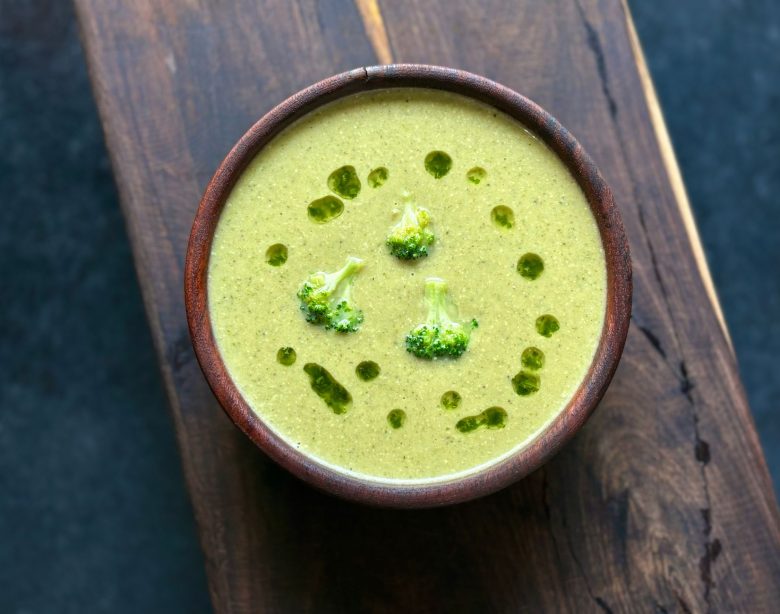
When broccoli florets go onto a sheet pan or into a lunch box, save the thick stalks for soup. The trick is to peel past the stringy outer layer so the pale centers cook as tender as the potato. Blend the two together and you get a thick, spoon-coating base that takes just a little milk and a handful of sharp cheddar to finish. If you have a few florets left, simmer them separately in the same pot before blending and stir them back in for bites of broccoli.
This is a good dinner for the night when you have one potato, some odds and ends of cheese, and a bread heel or two to toast. Two cups of chopped stems are enough for four bowls. If you only have one stalk today, peel and dice it, then freeze it with a label. Add more as you use up broccoli, and tip the frozen pieces straight into the soup pot when you have enough.
Broccoli stem and cheddar soup recipe
Makes 4 servings. Allow about 15 minutes to prep and 30 minutes to cook. A medium saucepan or Dutch oven and an immersion blender are handy. A countertop blender works too, as long as its jar is designed for hot liquids.
Ingredients
- 2 cups chopped peeled broccoli stems [about 280 g], from roughly 3 to 4 large stalks
- 1 medium russet potato [about 225 g], peeled and cut into half-inch cubes
- 2 tablespoons unsalted butter [28 g]
- 1 small yellow onion, diced [about 3/4 cup]
- 2 garlic cloves, minced
- 3 cups low-sodium chicken or vegetable broth [720 mL]
- 1 cup small broccoli florets, optional
- 1/2 cup whole milk [120 mL], plus more as needed
- 1 heaping cup freshly grated sharp cheddar [about 115 g]
- 1/4 teaspoon fine salt to start, plus more to taste
- 1/4 teaspoon ground black pepper
How to peel broccoli stems
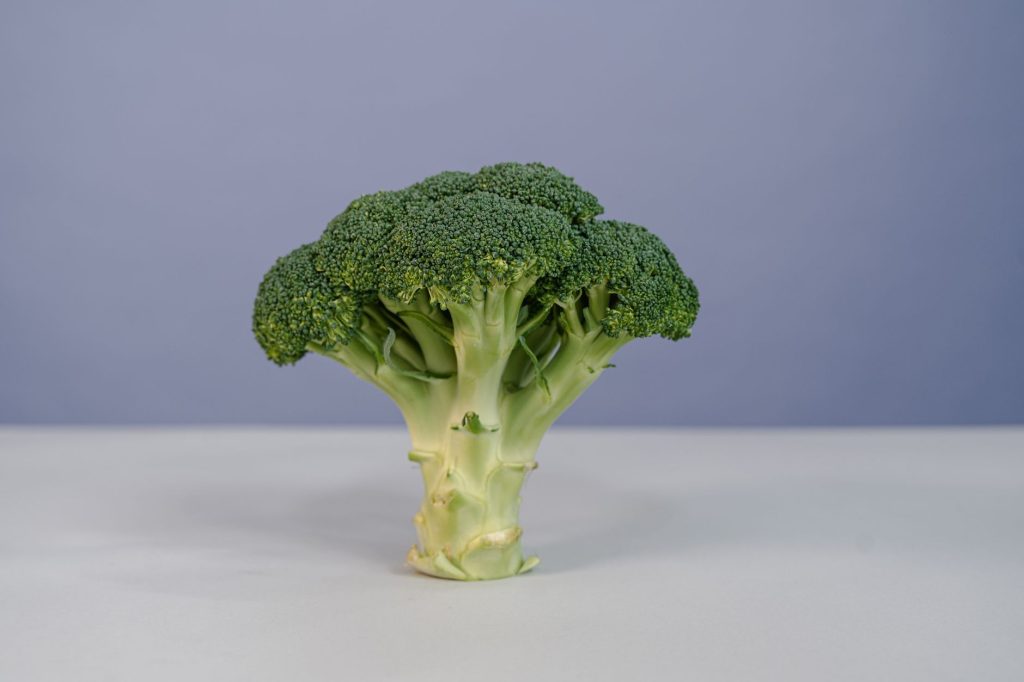
Wash the stalks and trim off the dry slice at the very bottom. If the stalk branches near the top, cut the wide trunk off just below the branches. A vegetable peeler usually works on the narrow upper pieces. On a thick trunk, stand it on its flat end on a cutting board and use a knife to slice off thin strips from top to bottom. Turn and repeat until you see pale green flesh with no tough ridges along the edges. If a strip still has long threads when you bend it, trim a little deeper. Dice the peeled stems into half-inch pieces so they soften around the same time as the potato.
How to make the soup
- Soften the onion. Melt the butter over medium heat. Add the onion and cook for 5 to 7 minutes, stirring occasionally, until it looks translucent and bends easily under your spoon. If the edges start to brown, turn the heat down. Stir in the garlic for about 30 seconds, just until you can smell it.
- Simmer the stems and potato. Add the diced stems, potato, broth, salt, and pepper. Bring to a boil, then turn the heat down to keep a gentle bubble and partially cover the pot. Simmer for 15 to 20 minutes. Test both vegetables. A fork should slide through a stem piece, and a potato cube should collapse when pressed against the side of the pot. Give the stems a few extra minutes if they still feel firm.
- Cook the optional florets. Drop them into the simmering soup for 3 to 4 minutes, until bright green and tender at the tips. Lift them out with a slotted spoon and set them aside. Skip this step if you want a completely smooth soup or are working with stems alone.
- Blend the base. Take the pot off the heat. Keep the head of an immersion blender submerged and blend until no bits of potato or stem remain. If using a countertop blender designed for hot liquids, follow its hot-liquid instructions and work in small batches with the lid vented as directed. Return the puree to the pot.
- Stir in the milk and cheddar. Add the milk and warm over low heat until the soup is steaming. Take the pot off the heat and stir in the grated cheddar a small handful at a time, letting each addition melt before adding more. Stir the florets back in. Taste for salt, then check the thickness. If the soup mounds on the spoon, stir in a splash of milk or broth at a time until it pours easily.
Make it work with what you have
A russet makes the base especially thick, and a Yukon Gold works if that’s what’s in the pantry. If your broccoli stems come up a little short, use chopped florets to bring the total to two cups and cook them with the potato. For a pound of stalks with particularly thick skins, trust the measured volume of the peeled pieces. How much you trim varies from stalk to stalk.
Sharp cheddar gives the soup a distinct cheese flavor even after the milk goes in. If you have a small piece of sharp cheddar and a larger piece of mild, grate them together and use the same total amount. Finely grated cheese melts quickly in the heat left in the pot. If it stalls, return the pot to low heat briefly and stir until the last shreds disappear. Keep it below a simmer once the cheese goes in so the soup stays smooth.
For an easy dinner, rub toasted bread with the cut side of a garlic clove and serve it alongside the bowls. If you have leftover cooked white beans, warm them separately and spoon some into each bowl before ladling in the soup. That keeps the base smooth and lets everyone choose how much texture they want. A few crushed crackers give a bowl some crunch if the bread basket is empty. If there’s leftover cooked broccoli from dinner, chop it and add it with the milk so it warms through. Even a small amount can stand in for the optional florets and save a step at the stove.
Save some for another meal
Refrigerate leftovers in shallow, covered containers within two hours of cooking and use them within three to four days. The soup thickens as it chills. Reheat just the amount you need, stirring often and adding a little broth or milk to loosen it. Bring leftovers to 165°F [74°C].
If you’re making a batch for the freezer, stop after blending the stems and potato. Refrigerate the base in shallow containers within two hours, then freeze it once chilled in meal-size portions for up to two months for best texture. Thaw it in the refrigerator overnight, reheat it, and finish with milk and cheddar as directed. If you’ve already added the dairy, you can still freeze the soup. It may look a little separated after thawing, so whisk it while reheating to bring it back together.