A bag of dried green split peas, a few vegetables from the crisper, and a spoonful of smoked paprika are enough to make a pot of smoky split pea soup. As the peas soften, they break down and give the broth a creamy texture. The carrots stay in little pieces, so each spoonful has a bit of sweetness. Set out toast for dipping, and save a container for lunch. The smoke deepens overnight, so taste the reheated soup before reaching for more paprika. The soup will be thick enough to mound on a spoon by the next day, and a splash of water brings it right back.
Smoky Split Pea Soup
Yield About 6 servings. Time About 15 minutes to prep and 60 to 80 minutes to cook.
- 1 pound [454 g] dried green split peas, about 2 1/4 cups
- 2 tablespoons olive oil or canola oil
- 1 medium yellow onion, diced, about 1 cup
- 2 medium carrots, diced, about 1 cup
- 2 celery ribs, diced, about 3/4 cup
- 3 garlic cloves, minced
- 2 teaspoons sweet smoked paprika
- 1/2 teaspoon dried thyme
- 1/4 teaspoon ground black pepper
- 1 bay leaf
- 4 cups [about 950 mL] low-sodium vegetable or chicken broth
- 3 cups [about 710 mL] water, plus more as needed
- 1/2 teaspoon fine salt, plus more to taste
- 1 to 2 teaspoons apple cider vinegar or lemon juice
Before you start
Use sweet smoked paprika for a mellow smoke flavor that works for the whole table. If the jar says hot smoked paprika, start with 1/2 teaspoon and let anyone who likes more heat add it at the table. A mild broth gives you room to season the finished soup. If you have just a cup or two of broth left from another meal, make up the difference with water and taste for salt at the end.
Dice the onion, carrots, and celery into roughly 1/4-inch pieces. Small pieces soften quickly and fit comfortably on a spoon. Tender celery leaves can go in with the diced ribs. Use a heavy pot that holds at least 4 quarts so you have room to stir once the soup thickens.
How to make it
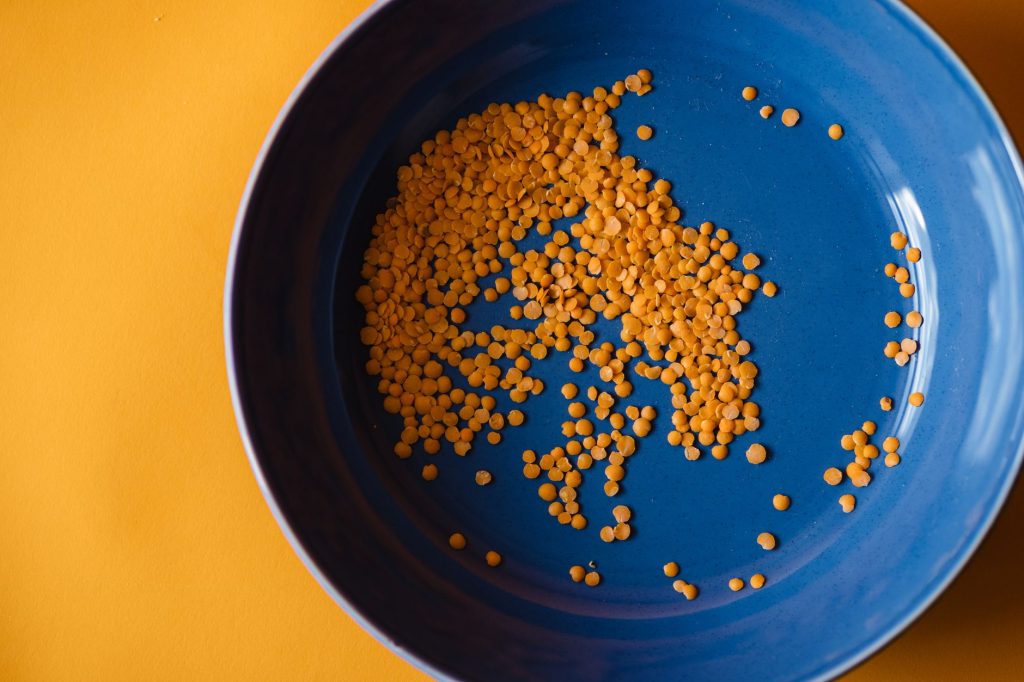
- Sort and rinse the peas. Spread them on a plate or baking sheet and pick out any small stones or debris. Tip the peas into a fine-mesh strainer and rinse under cool running water, moving them around with your fingers. Let them drain while you cook the vegetables. The split peas can go straight into the pot after rinsing.
- Soften the vegetables. Warm the oil in the pot over medium heat. Add the onion, carrots, and celery and cook for 7 to 9 minutes, stirring occasionally. Look for translucent onion and carrots that are starting to soften at the edges. If the onion starts to brown before the vegetables soften, lower the heat a little.
- Stir in the spices. Add the garlic, smoked paprika, thyme, and pepper. Stir for about 30 seconds, just until you smell the garlic and the oil takes on a rusty red tint. Pour in a splash of the measured broth and scrape up any bits from the bottom with a wooden spoon.
- Simmer until the peas collapse. Add the remaining broth, the water, the drained peas, the bay leaf, and the salt. Bring to a boil, then turn the heat down so small bubbles rise steadily. Set the lid slightly ajar and simmer for 50 to 70 minutes. Stir every 10 to 15 minutes at first, then every few minutes as the soup thickens, sweeping the spoon across the bottom. If the soup starts to mound around the spoon while the peas are still firm, stir in 1/2 cup [120 mL] hot water. The peas are ready when one crushes easily against the side of the pot and feels creamy all the way through.
- Finish to your liking. Fish out the bay leaf. For a smoother soup, press a few spoonfuls of peas against the side of the pot and stir them back in. Add 1 teaspoon vinegar or lemon juice, taste, and add the second teaspoon if the soup could use a little brightness. Adjust the salt. For a soup that flows easily off a ladle, stir in hot water a splash at a time. For a thicker bowl, simmer uncovered for a few minutes, stirring often.
If the peas still feel grainy at the end of the suggested cooking time, give them another 10 minutes at a gentle simmer and check again. Peas that have been in the pantry a long time can take longer to soften. Keep enough liquid in the pot for the peas to move freely when you stir, and save the vinegar or lemon juice until they’re tender.
Make a meal with what’s on hand
Toast the last few slices of bread and cut them into strips for dipping. If you have a heel of bread, cube it, toss it with a little oil, and toast it in a skillet until crisp. For smaller appetites, serve a half bowl with toast and apple slices. Leftover cooked greens can go into the soup for the last few minutes of cooking, or you can spoon them into individual bowls and ladle the soup over them.
If there’s a small serving left and you need lunch for two, loosen the soup with broth and stir in a handful of cooked rice or diced cooked potatoes. Warm it through and taste again before serving. The rice or potatoes will soak up a little liquid, so keep another splash of broth handy.
Store and loosen leftover soup
Divide leftovers into shallow containers and refrigerate within 2 hours of cooking. Use refrigerated soup within 3 to 4 days. For longer storage, freeze individual portions for up to 3 months for best quality, leaving a little space at the top of each container for expansion. Thaw frozen portions overnight in the refrigerator.
For each cup of cold soup, start with 2 tablespoons [30 mL] of water or broth. Put both in a small saucepan over medium-low heat. Break up the cold soup with a spoon as it warms, scraping along the bottom so the peas don’t stick. Once the soup is loose enough to stir, add more liquid 1 tablespoon at a time until it pours off the spoon in a thick stream. A very firm cup of soup may take closer to 1/4 cup [60 mL] of liquid.
Reheat the soup to 165°F (74°C), stirring so it heats evenly. For a microwave lunch, use a microwave-safe bowl with a loose cover and stir between short bursts of heating. Taste after thinning. A pinch of salt or a few drops of vinegar can bring the flavor back into balance, especially if you used water. Keep the rest of the container chilled and scoop out just what you plan to eat.